Your Comprehensive Guide to Effective Endometriosis Treatment in the UK
Exploring the Historical Development of Endometriosis Management Practices

The landscape of treatment for endometriosis in the UK has undergone significant transformation, reflecting major advancements in medical knowledge and approaches. Historically, treatment strategies centred around alleviating symptoms rather than addressing the underlying causes of the condition. Many women endured lengthy and often distressing diagnostic journeys, frequently facing considerable delays in receiving the appropriate care they required. Early treatment methodologies primarily concentrated on pain management, utilising analgesics and hormonal therapies without a comprehensive understanding of the disease itself. This narrow focus often trapped women in a frustrating cycle as they sought relief, only to find that effective results were not consistently achieved.
The evolution of endometriosis management took a significant turn in the late 20th century, driven by revolutionary advancements in medical research. The advent of laparoscopic surgery reshaped the diagnostic framework, enabling healthcare providers to accurately identify and treat the condition by excising endometrial tissue that had previously gone unaddressed. This era marked the beginning of a more tailored approach to treatment, underscoring the importance of recognising each patient’s unique circumstances and acknowledging the profound impact of endometriosis on women’s health.
Today, the management of endometriosis in the UK continues to advance, significantly influenced by ongoing research and the valuable insights of those living with this debilitating condition. Current treatment strategies prioritise personalised interventions that cater to individual needs, recognising the intricate and varied nature of endometriosis and its implications for women’s health.
What Are the Current Standard Treatments Available for Endometriosis?
Contemporary treatments for endometriosis in the UK encompass a broad range of options tailored to accommodate the unique requirements and circumstances of individual patients. The foundation of the treatment plan usually involves hormonal therapies, which aim to manage symptoms by regulating or suppressing hormonal fluctuations that may exacerbate the condition. Such therapies are often customised, with choices including oral contraceptives, progestins, and GnRH agonists, each designed to alleviate the specific symptoms experienced by the patient.
In addition to hormonal treatments, effective pain management strategies form vital components of a comprehensive treatment plan. Non-steroidal anti-inflammatory drugs (NSAIDs) are commonly prescribed to alleviate pain, while alternative therapies such as acupuncture and physiotherapy are increasingly recognised as beneficial complementary options. These interventions not only focus on minimising pain but also aim to enhance the overall quality of life for individuals navigating the challenges associated with endometriosis.
For many individuals confronting severe endometriosis, surgical interventions remain an essential aspect of the treatment repertoire. Laparoscopic surgery is routinely performed to excise endometrial implants and adhesions, while emphasising the preservation of reproductive capability when fertility is a concern. In such instances, specialised surgical techniques are adopted to optimise outcomes and increase the likelihood of successful conception.
It is crucial for patients in the UK to engage in open discussions with their healthcare providers to explore available treatment options and collaboratively determine the most appropriate course of action suited to their individual circumstances.
What Innovative Therapies and Research Are Emerging in Endometriosis Treatment?
Innovative therapies emerging in the UK signal promising advancements in endometriosis management, with ongoing research focusing on novel drug treatments and minimally invasive surgical techniques. One particularly exciting development involves the introduction of groundbreaking medications that target specific pathways involved in the disease process. For example, investigations into aromatase inhibitors and new hormonal agents present the potential to improve symptom management while minimising side effects for patients.
Research institutions across the UK are actively investigating the genetic and molecular underpinnings of endometriosis to discover biomarkers that could facilitate earlier diagnosis and the development of personalised treatment strategies. Clinical trials exploring new combinations of medications are currently underway, promising a more nuanced approach to addressing the symptoms of endometriosis. This emphasis on precision medicine is vital, recognising the distinct manifestations of the disease across individuals and striving to deliver targeted therapies that correspond with those variations.
In the domain of surgical interventions, the advent of robotic-assisted laparoscopic surgery is enabling greater precision and reduced recovery times. These state-of-the-art techniques are poised to transform endometriosis treatment, allowing for customised surgical approaches that can lead to improved outcomes and enhanced patient satisfaction.
As research progresses, the prospect of breakthroughs in endometriosis management becomes increasingly promising, instilling hope and optimism in those grappling with this chronic condition.
How Is Access to Endometriosis Treatment Distributed Across the UK?

Access to endometriosis treatment in the UK varies considerably by geographical location, healthcare policy, and resource availability. While numerous regions have seen improvements in awareness and management of endometriosis, many patients still confront significant obstacles to obtaining care. The National Health Service (NHS) aims to provide equitable access to treatment; however, experiences can markedly differ across various areas.
In urban centres, patients often benefit from access to specialised clinics dedicated to endometriosis care. These facilities typically deploy multidisciplinary teams comprised of gynecologists, pain specialists, and mental health professionals to deliver comprehensive care. Conversely, patients residing in rural areas may face delays in diagnosis and treatment due to a scarcity of specialised services and prolonged referral wait times.
Additionally, local healthcare policies can greatly influence the availability of specific treatments, particularly advanced therapies or surgical options. Patients may need to advocate for their needs and consider private healthcare alternatives if local services inadequately meet their requirements.
Public awareness campaigns have begun to address these disparities, aiming to educate both healthcare professionals and the general public about the critical significance of timely diagnosis and treatment. Furthermore, access to patient support groups and educational resources has expanded, empowering individuals to navigate treatment options more effectively and confidently.
How Can Patient Support and Education Be Enhanced for Endometriosis Management?
Support groups and educational resources are fundamental in managing endometriosis in the UK, offering vital guidance and community support for those affected. These resources empower patients by fostering a sense of community and shared understanding, significantly alleviating feelings of isolation and frustration associated with endometriosis.
Local and national organisations play a crucial role in disseminating information about the disease, available treatments, and effective coping strategies. These groups frequently organise workshops, seminars, and online forums, enabling individuals to connect with others facing similar challenges. Such peer support can be invaluable, providing emotional encouragement and practical advice on navigating the healthcare system and effectively managing symptoms.
Moreover, education is essential in empowering patients. A thorough understanding of endometriosis, its symptoms, and the treatment options available enables individuals to take an active role in their care. Many healthcare providers in the UK now prioritise patient education as a key component of treatment, ensuring that patients are well-informed about their condition and the available options.
In recent years, online platforms have significantly broadened access to information and support, allowing individuals to seek guidance from the comfort of their homes. This shift has proven particularly beneficial during times of restricted in-person interactions, highlighting the resilience and adaptability of the endometriosis community as they continue to support one another.
Insights from Experts on Contemporary Trends in Endometriosis Treatment
Examining Real-Life Success Stories in Endometriosis Management
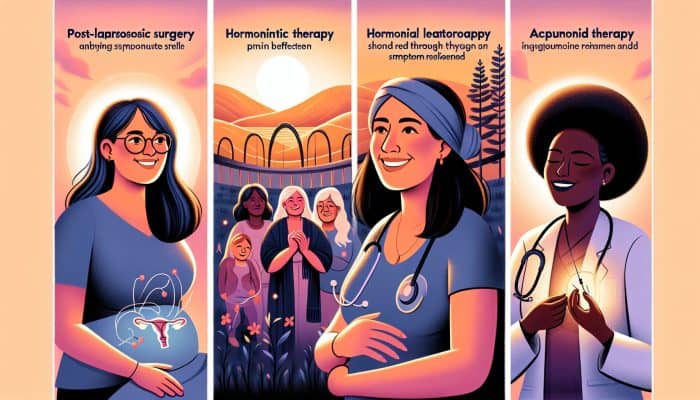
Real-life examples of successful endometriosis treatments in the UK demonstrate the diverse strategies employed to manage this complex condition. Below are several noteworthy case studies highlighting positive patient outcomes:
- A patient who underwent laparoscopic excision surgery experienced remarkable pain reduction and an enhanced quality of life, allowing her to resume daily activities with newfound ease.
- A woman treated with a combination of hormonal therapies reported a 60% decrease in her symptoms and improved regularity of her menstrual cycle.
- A patient engaged in a comprehensive pain management programme that included physiotherapy and acupuncture, successfully managing her symptoms without solely relying on medication.
- After participating in a clinical trial for a new medication, a patient reported sustained symptom relief and improved emotional well-being, underscoring the promise of innovative therapeutic options.
These examples highlight the significance of personalised treatment plans, which can lead to increased patient satisfaction and optimised outcomes.
What Practical Steps Can Healthcare Professionals Take to Enhance Endometriosis Care?
Healthcare professionals in the UK can stay informed about the latest advancements in endometriosis treatment by implementing several practical strategies. Engaging in continuous medical education, attending specialised conferences, and participating in workshops can significantly enhance their expertise. Furthermore, collaborating within multidisciplinary teams ensures a holistic approach to patient care, ultimately improving treatment outcomes and overall satisfaction.
What Expert Perspectives Exist on Future Trends in Endometriosis Treatment?
The future of endometriosis treatment in the UK looks optimistic, with expected breakthroughs in personalised medicine and biologics. Progress in understanding the molecular basis of endometriosis may pave the way for the development of more targeted therapies, shifting treatment paradigms from generic approaches to tailored interventions that address each patient’s specific needs.
How Are Multidisciplinary Teams Essential for Effective Endometriosis Care?
The incorporation of multidisciplinary teams is vital for improving endometriosis treatment outcomes in the UK. By uniting the expertise of gynecologists, pain specialists, nutritionists, and mental health professionals, these teams can provide comprehensive care that addresses all facets of the patient’s experience. Collaborative care ensures that treatment plans are holistic, taking into account both physical and emotional health, ultimately leading to enhanced patient outcomes and satisfaction.
Why Is Patient Education and Support Significant in Endometriosis Management?
Educating patients about endometriosis is crucial in the UK, as it empowers them to take control of their health journey. A comprehensive understanding of the condition, its symptoms, and treatment options enables individuals to make informed decisions, improving treatment adherence and overall well-being. Moreover, access to robust support systems, including counselling and peer support groups, fosters resilience and aids patients in navigating the complexities of living with endometriosis.
How Have Endometriosis Treatments Evolved in the UK?
What Were the Early Treatment Methods for Endometriosis?
The initial treatments for endometriosis in the UK encompassed a variety of hormonal therapies and surgical interventions. Hormonal treatments were aimed at managing symptoms but frequently failed to address the underlying disease mechanisms. While surgical options were available, they were typically invasive and did not consistently yield effective results, leading to variable patient satisfaction and outcomes.
What Recent Advancements Have Transformed Endometriosis Treatments?
Recent advancements in the UK have dramatically changed the treatment landscape for endometriosis. Improvements in laparoscopic surgical techniques have rendered procedures less invasive, resulting in shorter recovery periods and fewer complications. Additionally, the emergence of targeted medications, including newer hormonal therapies and anti-inflammatory drugs, aims to provide more effective symptom relief and considerably enhance patients’ quality of life.
How Have Patient Outcomes Improved Over Time in Endometriosis Treatment?
Patient outcomes in the UK have improved significantly over time, primarily due to advancements in diagnostic tools and treatment options. With increased awareness and understanding of endometriosis, healthcare professionals are now better equipped to deliver timely and effective interventions. As a result, many individuals experience enhanced quality of life and greater satisfaction with their treatment journeys, reflecting the positive evolution of care practices.
What Challenges Exist in Endometriosis Treatment in the UK?
What Are the Barriers to Effective Treatment for Endometriosis?
Barriers to effective endometriosis treatment in the UK include limited awareness among healthcare providers, often resulting in diagnostic delays. Many patients report lengthy wait times for specialist appointments and restricted access to multidisciplinary care. These challenges can lead to increased feelings of frustration and exacerbate symptoms, ultimately impacting patient outcomes and the overall quality of care.
How Do Healthcare Disparities Affect Access to Endometriosis Treatment?
Healthcare disparities significantly influence access to endometriosis treatment in the UK, with individuals in rural areas often facing prolonged wait times and fewer options compared to those in urban centres. The availability of specialised endometriosis clinics varies considerably, resulting in inequitable access to care and treatment. This disparity underscores the urgent need for targeted policies to bridge gaps in service provision.
What Role Does Funding Play in Endometriosis Research and Treatment Accessibility?
Funding is pivotal for advancing endometriosis research and ensuring treatment availability in the UK. Adequate financial resources facilitate the exploration of new therapies and the enhancement of healthcare services. Conversely, insufficient funding can impede progress and limit the development of innovative treatments, ultimately affecting the quality of care patients receive.
How Can Policy Changes Enhance Endometriosis Care in the UK?
Policy changes in the UK hold the potential to greatly improve endometriosis care. By increasing research funding, reducing diagnostic delays, and enhancing access to specialised treatments, policymakers can elevate patient outcomes. Implementing comprehensive guidelines for endometriosis management can also standardise care and guarantee equitable access nationwide, benefiting all individuals affected by this condition.
What Strategies Can Advance Endometriosis Treatment Trends?
What Expert Recommendations Exist for Holistic Patient Care?
Expert recommendations for managing endometriosis in the UK emphasise the importance of a comprehensive treatment approach. Integrating medical interventions with lifestyle modifications—such as dietary improvements, regular physical activity, and effective stress management—can significantly enhance symptom control and overall well-being for patients living with this condition.
What Evidence-Based Treatment Options Are Available for Endometriosis Management?
Evidence-based treatment options for endometriosis in the UK encompass a diverse range of hormonal and surgical interventions proven effective through clinical trials. These include the use of GnRH agonists and laparoscopic excision surgery, both of which offer substantial benefits in symptom reduction and improvements in patients’ quality of life.
How Can Patients Effectively Navigate the Healthcare System for Endometriosis Treatment?
Navigating the UK healthcare system for endometriosis treatment can be challenging. Patients can take the following key steps to enhance their experiences and outcomes:
- Consult a general practitioner (GP) to discuss symptoms and seek a referral to a specialist.
- Request information about local endometriosis clinics and available support services.
- Stay informed about treatment options by accessing reputable online resources and organisations.
- Document symptoms and treatment responses to facilitate effective communication with healthcare providers.
What Does the Future Hold for Endometriosis Treatment in the UK?
What Potential Breakthroughs Are on the Horizon for Endometriosis Treatment?
Potential breakthroughs in endometriosis treatment in the UK include advancements in personalised medicine and gene therapies. These innovations could revolutionise care by providing tailored treatment approaches that target each patient’s unique biological characteristics, enabling more effective symptom management and improved overall outcomes.
How Can Patient Advocacy Influence Future Treatment Trends for Endometriosis?
Patient advocacy in the UK plays a crucial role in shaping trends in endometriosis treatment. By raising awareness and advocating for increased research and improved healthcare policies, advocacy groups can influence funding decisions and drive positive changes in care. This grassroots movement ensures that the voices and experiences of those affected by endometriosis are taken into account when developing future treatment strategies.
What Role Will Technology Play in Future Endometriosis Treatments?
Technology is set to have a considerable impact on future endometriosis treatments in the UK. Innovations such as telemedicine, which enhances access to specialist consultations, and artificial intelligence, which improves diagnostic processes, will advance the overall management of the condition. These advancements can facilitate quicker diagnoses, more personalised care, and ultimately better patient outcomes, making the journey towards effective treatment more accessible.
How Might Multidisciplinary Approaches Enhance Endometriosis Care in the Future?
Multidisciplinary approaches to endometriosis care in the UK have the potential to significantly improve treatment outcomes. By integrating the expertise of a wide array of specialists—including gynecologists, pain management experts, and mental health professionals—patients benefit from comprehensive care that addresses the multifaceted nature of the disease. This collaborative model promotes improved communication and coordinated care plans, leading to enhanced patient experiences and satisfaction.
What Funding Strategies Are Necessary for Advancing Endometriosis Research?
Increased support from both government and private funding sources in the UK is essential for advancing research into endometriosis. By prioritising financial resources for studies that explore new treatments and deepen our understanding of the disease, we can facilitate the development of innovative therapies and improve patient outcomes. Strategic investment in research is critical to driving progress and ensuring that individuals affected by endometriosis receive the highest quality of care.
What Frequently Asked Questions Exist About Endometriosis?
What Is Endometriosis?
Endometriosis is a chronic condition characterised by the growth of tissue similar to the uterine lining outside the uterus, often resulting in significant pain and potential fertility challenges.
What Are the Common Symptoms Associated with Endometriosis?
Common symptoms of endometriosis can include pelvic pain, heavy menstrual bleeding, pain during intercourse, and infertility, all of which considerably affect the overall well-being of those impacted by the condition.
How Is Endometriosis Diagnosed?
Endometriosis is primarily diagnosed through pelvic examinations and imaging tests, with laparoscopic surgery frequently utilised for a definitive diagnosis and potential treatment during the same procedure.
What Treatment Options Are Available for Managing Endometriosis?
Treatment options for endometriosis encompass hormonal therapies, pain management strategies, and surgical interventions aimed at excising endometrial tissue, all tailored to meet individual patient needs.
Can Dietary Changes Influence Endometriosis Symptoms?
Some studies suggest that dietary modifications, such as reducing the intake of inflammatory foods, may help manage endometriosis symptoms, although individual responses can vary significantly.
Is Endometriosis Hereditary?
Evidence indicates that endometriosis may have a hereditary component, as it can run in families, although the precise causes and mechanisms are still under investigation.
How Does Endometriosis Impact Fertility?
Endometriosis can affect fertility by causing scarring and adhesions that interfere with the reproductive organs. However, many women with endometriosis are still able to conceive successfully.
What Role Do Support Groups Play in Managing Endometriosis?
Support groups offer essential emotional and practical assistance for individuals with endometriosis, allowing them to connect with others facing similar challenges and share valuable coping strategies.
Are There Any Promising New Treatments for Endometriosis in Development?
Research is ongoing, with numerous promising developments in personalised medicine and novel drug therapies aimed at delivering more effective treatment options for individuals living with endometriosis.
How Can I Advocate for Improved Endometriosis Care?
You can advocate for better endometriosis care by raising awareness, engaging with advocacy groups, and collaborating with healthcare policymakers to expand services and increase funding for research and treatment.
Connect with us on Facebook!
The article Endometriosis Treatment Trends: Advances and Challenges was first published on https://acupuncture-frome.co.uk
The article Endometriosis Treatment: Innovations and Ongoing Challenges was found on https://limitsofstrategy.com