Master the Art of Creating Instagram-Worthy Meal Presentations
What Essential Features Make Your Meal Shine on Instagram?
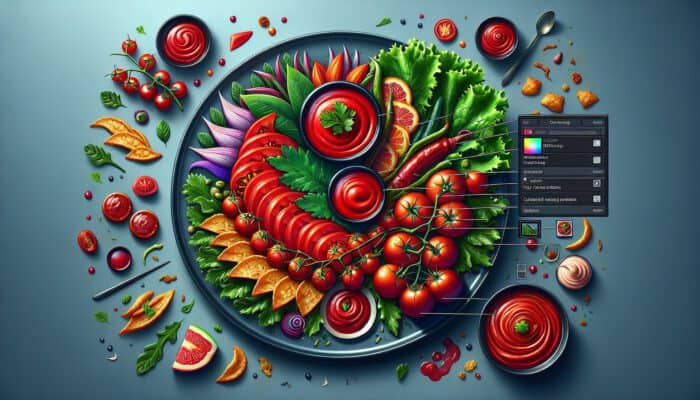
To transform your meal into a captivating visual experience on Instagram, it is vital to concentrate on several key elements that significantly improve its visual appeal. Begin by embracing colour contrast; vibrant colours can make your dishes stand out and engage viewers effectively. Furthermore, adding a diverse range of textures, such as crunchy toppings alongside rich, creamy sauces, introduces depth and intrigue to your culinary display. Lastly, implementing artistic plating techniques can elevate even the simplest meals into visual masterpieces that are more likely to invite interaction and sharing among your followers. These universally applicable strategies are essential for converting everyday dishes into captivating visuals that capture attention.
Exploring the Key Components of Food Photography
Successful food photography relies on several fundamental aspects that enhance the allure of your meals. The composition of your shot is of utmost importance; strive for a balanced layout with a focal point that naturally draws the viewer’s eye. Additionally, framing plays a crucial role, ensuring the dish occupies a prominent position within the frame while maintaining a clean and uncluttered background. To achieve stunning food photography results, consider these indispensable tools and techniques:
- Utilise a tripod to ensure stability and capture crisp images.
- Invest in natural light sources, like reflectors, to improve lighting quality.
- Incorporate props, such as cutlery or napkins, to provide context and enhance the scene.
- Experiment with various angles, such as overhead or eye-level shots, to discover the most flattering perspective.
- Engage with editing applications to refine and enhance your images, achieving a professional finish.
By mastering these essential elements, anyone can create enticing visuals that effectively encapsulate the essence of their culinary creations and engage their audience in a meaningful way.
Expert Styling Strategies to Craft Stunning Meals
Arranging food for maximum visual impact is crucial when creating Instagram-worthy meals. Start by focusing on balance; avoid overcrowding the plate, as this can detract from the overall appeal of the food. Instead, opt for a simple presentation that showcases each component of the dish. Pay close attention to the height of your meal; layering elements can introduce dimension and visual interest to your plating. Use vibrant garnishes, such as fresh herbs or edible flowers, to accentuate the colours of your meal. Always remember that the aim is to make your meals more shareable, so ensure the arrangement is visually pleasing yet simple enough for anyone to replicate.
How Does Lighting Influence the Quality of Food Photography?
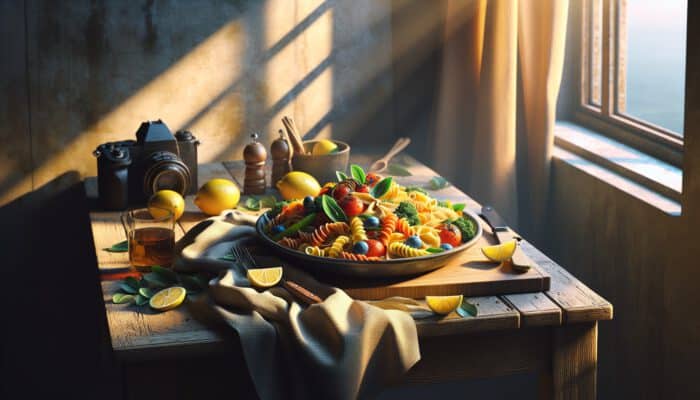
Lighting is arguably the most essential factor in food photography, as it can dramatically affect how a meal appears. Natural light, particularly when soft and diffused, is often the best choice for showcasing the rich colours and intricate textures of your dishes. Position your meal near a window during the golden hour for optimal results. When natural light is unavailable, consider using artificial lighting, such as softboxes and LED lights, to achieve stunning visuals. To further enhance your food photography, explore these effective lighting techniques:
- Utilise diffusers to soften harsh light and minimise shadows.
- Position your light source at a 45-degree angle to the dish for flattering illumination.
- Experiment with backlighting to create a warm, inviting glow around your meal.
- Adjust the white balance to ensure that colours appear true and vibrant in your images.
With these lighting strategies in your arsenal, your food photos will become increasingly engaging and shareable, regardless of your current skill level.
Crafting Engaging Captions and Strategic Hashtags for Your Meals
Writing captivating captions is equally as important as creating visually striking meals. Your captions should complement the visual by narrating a story about the dish, whether it’s a cherished family recipe or an exciting new culinary adventure. Including a personal touch fosters deeper connections with your audience. Furthermore, strategically employing hashtags can considerably boost engagement and reach. Aim to incorporate relevant tags that reflect the nature of the meal, such as #VeganEats or #FoodieDelights. Keep your strategies straightforward and adaptable for everyday users across various platforms. Captions like “Savouring summer’s bounty with this vibrant salad!” not only evoke feelings of warmth and nostalgia but also encourage followers to engage with your content.
How Can You Select the Finest Ingredients for Your Culinary Creations?
Choosing Fresh Produce for Maximum Visual Appeal
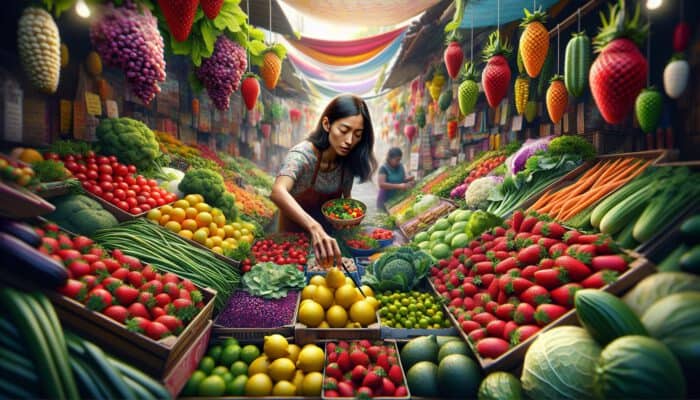
When crafting Instagram-worthy meals, selecting fresh produce is of paramount importance. The vibrancy and quality of your ingredients directly impact the visual presentation of your dishes. Seek out seasonal fruits and vegetables that are ripe, as they tend to be more photogenic and flavourful. Approach your local market or grocery store with a discerning eye; choose items that showcase deep, rich colours and firm, appealing textures. Additionally, consider the variety of colours you incorporate into your meals; a mix of hues not only enhances aesthetics but also conveys a sense of healthiness. Always remember that fresh ingredients can significantly elevate the visual appeal of your meals, making them more shareable and enticing for your audience.
How to Achieve a Balance of Colours and Textures in Your Dishes
Creating eye-catching contrasts in your meals not only enhances their visual appeal but also encourages viewer interaction. Combine elements that exhibit a harmonious balance of colours and textures to elevate your photography. For instance, pair creamy sauces with crunchy toppings, or mix vibrant greens with earthy tones to create a dynamic look. Consider the colour wheel; contrasting colours, such as purple and yellow, can produce striking visuals that capture attention. Furthermore, incorporating a variety of textures can enhance the inviting and appetising nature of your meals. With these techniques in mind, you can craft visually stunning dishes that stand out on Instagram while keeping the advice straightforward and user-friendly.
Why Should You Embrace Seasonal Ingredients in Your Meals?
Incorporating seasonal elements into your meals not only boosts freshness but also significantly enriches visual appeal. Seasonal produce often looks and tastes superior, offering a more enticing presentation that showcases the best of each season. For instance, during spring, consider utilising vibrant asparagus and radishes, while autumn can introduce rich colours through squash and pumpkins. To maintain a dynamic aesthetic in your meals, explore unique ways to incorporate seasonal ingredients; for instance, a summer salad with fresh tomatoes and basil can evoke warmth and nostalgia. These strategies keep everything relevant and broadly useful, appealing to diverse audiences while elevating the quality of your photographs.
How to Source Local Produce for Enhanced Freshness?
Utilising locally sourced ingredients not only enhances freshness but also adds authentic vibrancy to your meals. Supporting local markets and farms often yields produce that is more flavourful and visually appealing. When you opt for ingredients that are in season and grown nearby, you enrich your meal while also supporting local communities. Practical tips for sourcing local produce include visiting farmers’ markets, joining a community-supported agriculture (CSA) programme, or cultivating your own herbs at home. By incorporating local elements into your meals, you create a connection with your food that translates beautifully into your photographs, ensuring better visual outcomes that resonate with your audience.
How to Consider Diverse Dietary Needs in Your Meal Planning?
As dietary preferences become increasingly diverse, selecting ingredients that accommodate various needs is essential for creating visually appealing meals. Consider options that cater to vegan, gluten-free, or low-carb diets, providing inclusive recipes for your audience. For example, vibrant salads made with quinoa and colourful vegetables can attract health-conscious followers, while indulgent dishes can be adapted to meet dietary restrictions. Moreover, presenting meals that cater to different dietary needs ensures accessibility without compromising on visual quality and appeal. By offering straightforward advice on ingredient selection, you can enhance the overall photographic quality of your meals, making them more attractive to a wider audience.
Valuable Insights for Crafting Instagram-Worthy Meals
Employing Professional Photography Techniques for Captivating Shots
Effectively capturing meals requires meticulous attention to detail and a solid grasp of composition principles. Industry professionals often recommend leveraging natural light, as it highlights the rich colours and textures of food in the most flattering manner. Position your camera at eye level with the dish to create an intimate shot that draws viewers in and fosters engagement. Experimenting with various angles and distances is essential; overhead shots can work beautifully for flat lays, while side angles can effectively capture height and layering. By studying real-world examples from successful food bloggers or chefs, you can gain valuable insights into what truly makes a shot stand out. Practising these techniques will refine your skills and yield consistent, engaging results that are sure to impress.
Advanced Editing Techniques for Enhancing Food Images
Post-processing is a crucial step in polishing your images and amplifying their overall appeal. Simple adjustments can lead to significant improvements, such as increasing brightness and contrast to make colours pop and appear more vibrant. Utilise applications like Adobe Lightroom or Snapseed for professional-quality editing on the go, ensuring your images capture attention. Focus on enhancing vibrancy without oversaturation, as this can detract from the dish’s integrity and authenticity. Additionally, cropping your images can improve composition by eliminating distractions and drawing attention to the food. These practical methods are widely applicable, allowing anyone to elevate their food photography without needing complex skills or expensive software.
What Composition Strategies Should You Implement for Stunning Shots?
Composition is essential for arranging meals in frames that enhance your food photography. Start by applying the rule of thirds: divide the frame into a grid and position the focal points along these lines for a more balanced, engaging image. Utilise leading lines, such as utensils or plate edges, to guide the viewer’s eye towards the dish, creating a sense of flow. When arranging your food, consider negative space; it allows the food to breathe and contributes to a cleaner overall look. Incorporate elements from real-world examples that demonstrate effective layouts, such as strategically placing garnishes to enhance the dish’s focal point. These techniques not only improve engagement but also showcase your culinary creations effectively, making them more memorable and shareable.
Expert Tips for Meal Styling and Presentation Techniques
Styling meals for Instagram success involves more than just arranging food; it requires a thoughtful approach to enhance visual impact and communicate the essence of the dish. Start by selecting a complementary colour palette that harmonises the components of the meal, creating a cohesive and inviting appearance. Incorporate props that add context, such as rustic plates or colourful napkins, to enhance the overall aesthetic appeal. Layering ingredients can introduce height and drama, while a drizzle of sauce or a sprinkle of fresh herbs provides finishing touches that elevate the entire presentation. Drawing inspiration from real-world examples of successful food photographers can motivate you to refine your approach, achieving eye-catching results that resonate with your audience and encourage shares.
What Lighting Techniques Can Elevate Your Food Photos?
Comparing Natural and Artificial Light for Optimal Photography Results
When it comes to illuminating meals for optimal clarity and impact, both natural and artificial light have unique advantages. Natural light, especially during the golden hour, casts a warm glow that enhances the aesthetic of your dishes, making them appear more appetising and visually appealing. Conversely, artificial light can be manipulated to fit any environment, making it a versatile option for food photography. To improve exposure under various conditions, consider these quick adjustments:
- Utilise a white sheet or poster board as a reflector to effectively bounce light onto your dish.
- Adjust the position of artificial lights to minimise harsh shadows and create soft illumination.
- Experiment with different light sources to determine the best fit for your photography style.
- Employ softboxes to diffuse harsh lighting, creating a more even spread that enhances your food’s appeal.
By mastering both types of light, you can create stunning images that effectively showcase your culinary creations in an attractive manner.
Best Practices for Indoor Lighting Scenarios
Utilising available light sources creatively can make meals significantly more photogenic, especially indoors. Position your dish near windows to take advantage of natural light, and use sheer curtains to diffuse the light, resulting in softer shadows and a more inviting atmosphere. If the light is too harsh, consider reflecting it off walls or using props to create interesting shadow patterns that add depth to your images. Additionally, don’t hesitate to experiment with different rooms; kitchens, dining areas, or even outdoor patios can provide unique lighting conditions that enhance the overall quality of your food photography. By applying these methods, you’ll discover that simple adjustments can dramatically improve the shareability and visual appeal of your meals.
How to Use Reflectors and Diffusers for Enhanced Shots?
Basic tools such as reflectors and diffusers can dramatically improve the quality of your meal visuals. Reflectors can bounce light onto your dish, reducing shadows and highlighting textures, making the food appear more appetising and appealing to viewers. Conversely, diffusers soften and scatter light, creating a gentle glow that enhances the overall aesthetic of your images. You can easily create DIY options using white cardboard or fabric, making these tools accessible for anyone. By following straightforward guidance on applying these tools effectively, anyone can elevate their food photography, achieving superior meal visuals that attract attention and drive engagement.
Research-Backed Benefits of Following Best Practices for Instagram-Worthy Meals
How Does Visual Appeal Impact Social Media Engagement?
Visually appealing meals drive social media interactions, significantly increasing engagement rates across platforms. Studies indicate that posts featuring high-quality images receive more likes, comments, and shares than those with lower visual quality. To implement effective strategies, focus on creating visually striking meals that tell a captivating story. Incorporate trending hashtags and interact with followers through thoughtful captions that invite conversation. Encourage your audience to comment by asking questions or sharing their own experiences related to the dish. By utilising these actionable steps, you can foster stronger connections with your audience and increase the likelihood of shares based on visual impact and storytelling.
How Do Attractive Meals Promote Healthy Eating Habits?
Attractive presentations can actively encourage balanced eating habits, as research suggests that visually appealing meals positively influence perceptions and choices. When food looks appealing, individuals are more inclined to enjoy and savour their meals, which can lead to healthier eating habits overall. Integrating colour and variety into your dishes not only enhances their visual appeal but also promotes the intake of diverse nutrients essential for a balanced diet. By offering practical ways to incorporate this understanding into daily routines, you can make healthy eating more enjoyable and visually appealing, effectively showcasing the connection between aesthetics and dietary choices.
What Long-Term Trends Should You Monitor?
Evolving patterns in meal aesthetics reveal long-term trends that can influence your approach to creating Instagram-worthy dishes. Current trends lean towards minimalism, with clean presentations and natural colours gaining popularity among food enthusiasts. Additionally, health-conscious eating is becoming more visually represented, with an emphasis on vibrant, plant-based ingredients that are both nutritious and attractive. Adapting tips for sustained appeal involves staying informed about these evolving aesthetics, as they can maintain relevance over time. By integrating these insights into your meal presentations, you can ensure your culinary creations remain engaging and attractive, consistently aligned with current trends that resonate with your audience.
Why Is Thoughtful Presentation Essential in Meals?
Understanding the Psychology of Food Presentation
Visual appeal plays a crucial role in influencing enjoyment and the sharing of meals across social media platforms. Research shows that individuals are more likely to remember and appreciate food that is beautifully presented, creating a lasting impression. The way a dish is styled can evoke emotions, positively impacting the overall dining experience. By exploring the cognitive factors that make meals more memorable and engaging, you can significantly enhance your approach to food styling. Incorporating techniques that focus on aesthetics not only boosts the appeal but also fosters a deeper appreciation for the culinary arts and the effort that goes into creating visually stunning dishes.
How Does Thoughtful Presentation Elevate Perceived Flavour?
The connection between aesthetics and taste perception is profound; thoughtful styling can heighten the overall dining experience. When food is presented beautifully, it sets expectations and enhances the anticipation of flavours, leading diners to appreciate the meal more fully. For instance, a beautifully arranged plate can make even simple ingredients taste more complex and exciting. This relationship between visual aesthetics and flavour perception means that paying attention to presentation can significantly influence how a meal is enjoyed. By exploring creative ways to style dishes, you can subtly enhance your guests’ flavour experience, making each meal memorable and enjoyable.
Creating Memorable Dining Experiences Through Presentation
Making meals stand out through thoughtful arrangement fosters emotional connections that encourage diners to cherish and share these experiences with others. When dishes are carefully styled, they create memorable moments for diners, prompting them to share their impressions and photos on social media. Techniques like using seasonal ingredients or unique plating can elevate the overall experience, transforming an ordinary meal into something extraordinary. By fostering these emotional connections through presentation, you encourage diners to treasure and share the moments created around your meals, leading to increased engagement and appreciation for your culinary creations.
Exploring the Role of Colour and Texture in Food Presentation
The interplay of colours and textures in meal arrangements captivates the senses and influences perceptions of freshness and quality. Vibrant colours can stimulate appetite, while varied textures enhance visual intrigue and appeal. For instance, a plate adorned with crunchy vegetables alongside smooth sauces creates a palatable contrast that entices diners visually and encourages them to savour each bite. Understanding how colours and textures impact perceptions allows you to craft dishes that not only look inviting but also heighten overall satisfaction during dining experiences. This insight into presentation can significantly enhance the quality and appeal of your culinary creations, making them more desirable.
How to Integrate These Tips Into Your Daily Cooking Routine
Incorporating Food Styling Techniques Into Your Everyday Cooking
Weaving Instagram-worthy meal ideas into your daily cooking routine is both practical and rewarding. Focus on developing seamless habits that enhance your culinary presentations and skills over time. For instance, dedicate time to practice plating techniques or experiment with new ingredients each week to broaden your culinary repertoire. To build skills for consistent, visually appealing results, consider these daily challenges:
- Try a different plating style for each meal to explore new aesthetics.
- Incorporate seasonal ingredients weekly to keep your meals fresh and diverse.
- Experiment with new lighting setups during cooking to improve your food photography.
- Document your meals and reflect on presentation improvements to track your progress.
By integrating these practices into your routine, you’ll not only create visually stunning dishes but also develop lasting skills in food styling and photography that will elevate your culinary creations significantly.
How to Tackle Common Challenges in Food Photography
Achieving outstanding food photos can come with its share of challenges. Common obstacles include poor lighting, unappealing arrangements, or a lack of fresh ingredients. However, effective strategies exist to troubleshoot and enhance outcomes through persistent practice. For example, if lighting conditions are unsatisfactory, try using reflectors or diffusers to improve your setup and create softer shadows. Additionally, regularly experimenting with different arrangements can lead to creative breakthroughs and fresh perspectives. Embracing the learning process ensures you can adapt and refine your techniques, ultimately leading to more successful food photography and stunning meal presentations.
Measuring Your Progress Over Time in Food Styling
Evaluating progress in creating shareable meals is vital for refining your approach and enhancing your skills. Establish benchmarks for success, such as increased social media engagement or positive feedback from followers regarding your culinary creations. Maintain a visual diary of your dishes, noting what works well and what could be improved in terms of presentation and styling. Over time, this reflective practice will elevate your skills and lead to ongoing improvement and satisfaction in your culinary presentations. By focusing on these measurable outcomes, you can continually enhance your food styling efforts and create meals that resonate with your audience.
Frequently Asked Questions (FAQs)
What are the best colours for appealing food presentation?
The best colours for food presentation often include vibrant hues that contrast well. Bright greens, reds, and yellows are common choices that evoke freshness and entice the eye, making meals more visually appealing.
How can I effectively improve my food photography skills?
Enhancing your food photography skills involves regular practice with lighting, composition, and styling techniques. Experimenting with various angles and editing methods will also enrich your results, resulting in more engaging images.
What are some practical tips for plating food attractively?
To plate food attractively, focus on balance and simplicity. Use clean plates, arrange components thoughtfully, and add garnishes for colour and texture to create a visually appealing presentation that draws attention to the dish.
Can I use my smartphone for food photography?
Yes, smartphones can capture stunning food photos with the right techniques. Utilise natural light, try different angles, and employ editing apps to achieve the best results and enhance the visual appeal of your meals.
How do I select the right backdrop for my food photos?
Choosing the right backdrop involves selecting surfaces that complement the dish without overwhelming it. Neutral tones or textured surfaces, such as wood or marble, often work well to enhance food visuals and create a harmonious aesthetic.
What are some common mistakes in food photography to avoid?
Common mistakes include poor lighting, cluttered backgrounds, and unappealing plating. To avoid these pitfalls, focus on clean presentations and good lighting, keeping the dish as the main focus of your photography.
How can I make my food look more appetising?
Making food look more appetising involves using fresh, vibrant ingredients, arranging them thoughtfully, and adding garnishes for contrast. Clean plates and well-lit settings also significantly enhance visual appeal, making meals more enticing to viewers.
What props should I consider for effective food styling?
Props such as rustic plates, elegant cutlery, napkins, and decorative elements can enhance food styling. Choose props that complement the dish without detracting from the food’s focus, adding context and depth to your food photography.
How does lighting affect the quality of food photos?
Lighting significantly impacts food photos by enhancing colours, textures, and overall clarity. Natural light is often the best choice for food photography, but artificial light can also be used effectively with proper techniques to achieve desired effects.
What role do hashtags play in boosting the visibility of food photography?
Hashtags play a pivotal role in food photography by increasing the visibility of your posts. Using relevant, trending hashtags helps your content reach a broader audience, boosting engagement and attracting more followers to your culinary creations.
Join us on Facebook today and connect with fellow food enthusiasts!
The post Best Tips for Instagram-Worthy Meals: Essential Guide appeared first on https://cookinggods.com
The Article Instagram-Worthy Meals: Essential Tips for Success Was Found On https://limitsofstrategy.com