Comprehensive Insights into Vitamin D Blood Testing
What is a Vitamin D Blood Test and Why Should You Get One?
Private Vitamin D Blood Test in Slough: A vitamin D blood test in the UK serves as a vital medical evaluation aimed at assessing the levels of vitamin D present in your bloodstream. This essential nutrient is integral to maintaining bone health and plays a key role in regulating the immune system. In Slough, as well as other regions throughout the UK, this test is routinely performed to detect possible deficiencies that could lead to serious health issues, particularly in individuals at higher risk due to limited exposure to sunlight during the winter months. Typically, the test is straightforward and involves a simple blood draw, which can be executed at either an NHS facility or a private clinic. The results furnish healthcare providers with critical insights into a patient’s vitamin D levels, empowering them to make tailored recommendations regarding supplementation or lifestyle modifications.
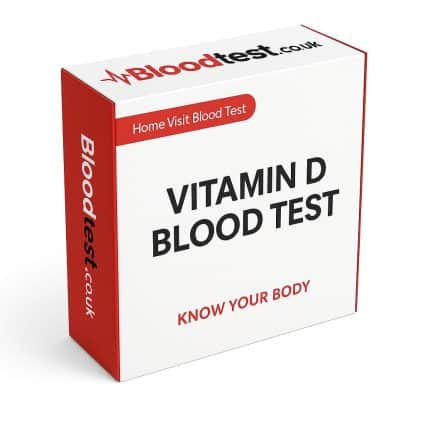

The importance of this test cannot be overstated, particularly given the widespread occurrence of vitamin D deficiency across the UK. Health authorities emphasise the necessity of testing for individuals showing symptoms or belonging to high-risk groups, which include older adults, those with darker skin tones, and individuals who do not spend enough time outdoors. Routine testing is essential for actively monitoring vitamin D levels, which is critical for preventing complications related to both bone density and immune function.
What Are the Common Symptoms Indicating Vitamin D Deficiency?
In the UK, symptoms associated with vitamin D deficiency can widely vary, often presenting as chronic fatigue, bone discomfort, and an increased vulnerability to infections. Residents of Slough may notice that the fluctuating weather patterns exacerbate these deficiencies, especially during the dreary winter months when sunlight is limited. Recognising these symptoms is crucial, as prolonged deficiency can result in severe health complications such as osteomalacia in adults and rickets in children.
Many individuals might overlook early signs like fatigue or unexplained aches, attributing these to stress or work-related tiredness. However, it is imperative to acknowledge that such symptoms may signal inadequate vitamin D levels. Regular testing through local healthcare services facilitates early detection and management of these deficiencies, allowing individuals to receive essential interventions. For instance, healthcare professionals in Slough may suggest dietary alterations or vitamin D supplementation based on test results, assisting patients in restoring their energy levels and enhancing their overall well-being.
How Can You Access Local Vitamin D Testing Services?
Accessing vitamin D blood tests in Slough is quite straightforward. Residents have the option of using their local NHS General Practitioners (GPs) or choosing private laboratories, which may provide faster results. The NHS guidelines advocate testing for high-risk groups, simplifying the process for those who may be deficient to receive testing. Individuals can easily schedule an appointment with their GP, who will issue a referral for the test if appropriate.
Private clinics also deliver testing services, frequently offering quicker turnaround times for results, typically within just a few days. This quick service can be particularly beneficial for those seeking immediate insights into their vitamin D status. When selecting between NHS and private testing options, it is vital to consider factors such as cost, convenience, and service reliability. Overall, whether through public health channels or private facilities, residents of Slough have efficient pathways to ensure their vitamin D levels are properly assessed and managed.
How to Understand Your Vitamin D Blood Test Results?
Interpreting vitamin D blood test results in the UK necessitates an understanding of the categories defined by the National Institute for Health and Care Excellence (NICE). Generally, results are classified into three categories: deficient (below 25 nmol/L), insufficient (between 25 and 50 nmol/L), or sufficient (above 50 nmol/L). In Slough, healthcare professionals are equipped to accurately interpret these results and offer tailored guidance on supplementation, dietary changes, or increased sunlight exposure.
For example, if a patient’s results reveal a deficiency, a healthcare provider may recommend specific vitamin D supplements and dietary changes, such as enhancing the intake of oily fish or fortified food products. Furthermore, lifestyle recommendations may include guidance on safe sun exposure to promote natural vitamin D synthesis. Grasping these results is vital, as promptly addressing deficiencies can significantly enhance both bone health and immune function, aligning with broader public health initiatives aimed at improving the overall health of the population in Slough and beyond.
What Steps Are Involved in a Vitamin D Blood Testing Procedure?
What is the Procedure for Conducting a Vitamin D Blood Test?
The procedure for administering a vitamin D blood test in the UK is relatively simple and minimally invasive. Usually conducted in a clinic in Slough, it involves obtaining a small blood sample, typically drawn from a vein in the arm. This sample is subsequently sent to a laboratory for analysis, where 25-hydroxyvitamin D levels are quantified. Understanding this process is essential for patients, as it clarifies what to expect during the testing.
Prior to the test, healthcare professionals may provide specific instructions, such as fasting or temporarily discontinuing certain supplements that could skew the results. However, many patients can maintain their regular routines without significant changes. Once the blood is collected, results are generally available within a few days, enabling timely discussions with healthcare providers regarding findings and potential interventions. This prompt feedback is crucial for patients eager to gain insights into their health status and take proactive measures to enhance their vitamin D levels.
What Do Your Results Indicate About Your Health?
The outcomes from a vitamin D blood test can yield significant insights and have considerable implications for health. In the UK, results are generally categorised into three groups: sufficient, insufficient, or deficient. A sufficient level above 50 nmol/L suggests that the individual is likely maintaining optimal vitamin D status, while insufficient levels (25 to 50 nmol/L) may indicate the need for dietary changes or increased sun exposure. Conversely, deficient levels (below 25 nmol/L) necessitate immediate intervention, typically through supplementation.
Healthcare professionals in Slough utilise these results to provide personalised health advice. For instance, a patient with insufficient levels may receive recommendations on dietary sources rich in vitamin D, such as oily fish, fortified dairy items, and egg yolks. Conversely, those identified with deficiencies might be advised to consider high-dose supplements and increase their safe sun exposure as part of a comprehensive health strategy. Understanding these results is vital for patients, as they can directly influence long-term health strategies and lifestyle choices.
Are There Any Risks Associated with Vitamin D Testing?
Overall, vitamin D blood tests are generally regarded as safe, with minimal risks linked to the procedure. The most frequently experienced side effect is slight bruising at the site of the blood draw, which typically resolves within a few hours. In Slough, healthcare professionals are trained to conduct blood draws efficiently and with care, minimising discomfort for the patient.
While serious complications are rare, patients are encouraged to discuss any concerns with their healthcare provider before the test. Knowing that the procedure is straightforward and routinely performed can help alleviate anxiety regarding the blood draw. Furthermore, being informed about what to expect enables patients to approach testing with confidence, recognising that the benefits of understanding their vitamin D levels far outweigh any minor inconveniences linked to the testing process.
Expert Insights on Vitamin D Blood Testing in Slough
Factors Influencing the Accuracy of Your Vitamin D Test
Several factors can affect the accuracy of a vitamin D blood test, particularly in the UK, where seasonal variations in sunlight can influence the synthesis of vitamin D. In Slough, exposure to sunlight fluctuates significantly between summer and winter, impacting the community’s overall vitamin D levels. During the sunny summer months, individuals generally produce adequate levels of vitamin D; however, during the cloudy winter months, many face an increased risk of deficiency.
Demographic factors such as age, skin type, and lifestyle choices also play a significant role in test accuracy. For example, older adults or those with darker skin may require more sunlight exposure to synthesise an adequate amount of vitamin D. Healthcare providers in Slough recognise these variables and take them into account when interpreting test results. By understanding these factors, patients can engage in more informed discussions with their healthcare teams regarding the implications of their vitamin D levels and any necessary adjustments to their health management strategies.
How to Effectively Discuss Results with Healthcare Professionals
Interpreting vitamin D test results is a critical aspect of health management. Consulting with specialists in Slough can significantly enhance understanding of individual results and provide actionable insights. Healthcare professionals possess the expertise to clarify the implications of varying vitamin D levels and recommend specific adjustments to diet and lifestyle based on comprehensive health data.
For instance, if a patient’s results indicate insufficiency, the specialist may suggest incorporating vitamin D-rich foods into their diet or increasing safe sun exposure. Conversely, if deficiencies are identified, tailored supplementation plans can be developed. Patients should feel empowered to engage in this dialogue, asking questions and seeking clarity on how their results connect to their overall health. This collaborative approach nurtures a deeper understanding of personal health and encourages proactive management of vitamin D levels.
Understanding the Long-Term Health Implications of Vitamin D Levels
Monitoring vitamin D levels is essential for long-term health, especially in the UK. Residents of Slough may not realise that ongoing deficiencies can lead to chronic conditions such as osteoporosis, heart disease, and autoimmune disorders. Evidence suggests that consistent monitoring and timely intervention can mitigate these risks, fostering healthier outcomes.
Consider a scenario in which an individual frequently experiences fatigue and recurring infections, prompting them to seek testing. If the results reveal a deficiency, prompt supplementation and lifestyle adjustments can significantly enhance their quality of life and diminish future health complications. By establishing a routine of regular testing and consultations with healthcare providers, residents can take control of their health, ensuring they maintain adequate vitamin D levels and thus prevent chronic illnesses associated with deficiencies. This proactive approach aligns with broader public health initiatives aimed at fostering a healthier population in Slough and across the UK.
What Are the Notable Benefits of Vitamin D Testing?
Improving Overall Health Through Routine Vitamin D Testing
Engaging in vitamin D testing can yield numerous health benefits, particularly in the UK, where deficiencies are prevalent. Regular testing facilitates the early identification of low levels, enabling timely interventions that can enhance bone strength and improve immune function. For residents of Slough, this proactive health strategy can lead to an enhanced quality of life.
Research indicates a direct correlation between adequate vitamin D levels and improved overall health, reducing the risks of chronic diseases while promoting better immune responses. By identifying deficiencies early, individuals can make informed health decisions, such as modifying their diet or integrating supplements as necessary. These early interventions can significantly impact long-term health outcomes, underscoring the significance of routine testing as a foundational aspect of personal health management.
Why Is Regular Testing Key to Preventative Health?
Regular vitamin D blood tests play a crucial role in preventive healthcare. In the UK, including Slough, these tests help prevent serious health issues such as rickets in children and osteoporosis in adults by enabling timely lifestyle adjustments or supplementation based on individual health profiles. Testing is particularly vital for at-risk populations, such as pregnant women and the elderly, who may be more susceptible to the adverse effects of deficiency.
By facilitating early detection, healthcare providers can implement effective strategies tailored to individual needs. For instance, if test results reveal low vitamin D levels, a practitioner might advise increasing dietary intake of vitamin D-rich foods or recommend a specific supplementation regimen. These proactive measures not only enhance individual health but also align with the broader goal of reducing the incidence of vitamin D-related health issues within the community.
Cost-Effective Health Management Through Vitamin D Testing
Choosing vitamin D testing in Slough can represent a wise financial decision, particularly since the NHS often covers these tests under specific health plans. Proactively managing vitamin D levels can ultimately decrease long-term healthcare costs by preventing chronic conditions associated with deficiencies. Individuals who prioritise testing and follow-up interventions frequently discover they can avoid more expensive treatments in the future.
Moreover, with growing awareness of the importance of vitamin D, numerous private clinics offer affordable testing options, making it accessible to a wider demographic. By investing in vitamin D testing, residents of Slough can take charge of their health, maintain optimal levels, and achieve better health outcomes. This cost-effective strategy highlights the significance of preventive health measures, ultimately contributing to a healthier community.
Boosting Energy Levels and Reducing Fatigue through Vitamin D Testing
Many individuals remain unaware of the substantial role that vitamin D plays in energy levels and overall vitality. Testing vitamin D levels can help identify deficiencies that may contribute to feelings of tiredness or fatigue, which are often reported among residents of Slough during the winter months. By determining vitamin D status, healthcare providers can recommend appropriate interventions, such as lifestyle changes or supplementation, which can significantly enhance energy levels.
For instance, a patient with low vitamin D levels may experience notable improvements in energy following the implementation of recommended changes, leading to increased productivity and overall well-being. This focus on revitalising energy underscores the broader implications of maintaining adequate vitamin D levels, emphasising its critical role not only in physical health but also in enhancing daily life and activities. By prioritising regular testing, individuals can take proactive steps to regain their vitality and improve their overall quality of life.
Supporting Chronic Disease Prevention Efforts through Regular Vitamin D Testing
Regular vitamin D testing is instrumental in preventing chronic diseases, including heart disease and autoimmune disorders. Research indicates that maintaining optimal vitamin D levels is crucial for a robust immune response and overall health. For residents of Slough, recognising the importance of these tests can lead to more informed health decisions and proactive management strategies.
For instance, individuals with a history of autoimmune conditions may benefit from routine monitoring of their vitamin D levels. By ensuring adequate levels, they can potentially reduce their risk of flare-ups and complications related to their conditions. Engaging with healthcare providers about vitamin D testing not only fosters a better understanding of personal health but also empowers individuals to take charge of their well-being, aligning with broader public health initiatives aimed at alleviating the burden of chronic diseases within the population.
Research-Backed Benefits of Vitamin D Blood Testing in Slough
Valuable Insights from UK-Based Studies on Vitamin D
A wealth of UK studies has underscored the significance of vitamin D testing and its associated benefits. In Slough, data indicates that individuals who maintain adequate vitamin D levels experience lower rates of illness and enhanced overall health. Engaging with this research helps residents comprehend the broader implications of their vitamin D status and the importance of regular testing.
For instance, studies have demonstrated that sufficient vitamin D levels correlate with fewer respiratory infections during the winter months, a particularly relevant factor given the variable weather conditions in Slough. Residents can take actionable steps based on these findings, such as scheduling regular vitamin D tests and adjusting their diets to boost their levels. This evidence-based approach not only informs personal health decisions but also positively contributes to the community’s overall well-being.
The Link Between Vitamin D and Mental Health Outcomes
Research increasingly highlights the connection between vitamin D levels and mental health. In the UK, including Slough, studies suggest that deficiencies can significantly impact mood and cognitive function. Regular testing can assist individuals in identifying these deficiencies, empowering them to take proactive measures to support their mental health through appropriate interventions.
For example, individuals experiencing depressive symptoms may find that addressing their vitamin D deficiency leads to noticeable improvements in mood and overall mental health. Healthcare providers in Slough can offer guidance on effective supplementation strategies, ensuring individuals receive the support necessary to enhance their mental well-being. This connection between vitamin D levels and mental health underscores the importance of comprehensive health management that considers both physical and psychological aspects.
Incorporating Vitamin D Testing into Lifestyle Management Strategies
Integrating vitamin D testing into a broader lifestyle management strategy can significantly enhance health outcomes. In Slough, residents can leverage test results to inform practical adjustments to their daily routines. For instance, a patient with low vitamin D levels can benefit from a tailored approach, which may include:
- Increasing the intake of vitamin D-rich foods, such as oily fish and fortified dairy products.
- Prioritising regular and safe sun exposure, especially during summer.
- Considering vitamin D supplements as advised by healthcare providers.
- Engaging in outdoor activities to maximise sunlight exposure whenever feasible.
- Monitoring dietary choices to incorporate more vitamin D sources.
By integrating these practical strategies into their daily lives, residents can make significant strides towards improving their vitamin D levels, thereby enhancing their overall health. This holistic approach to health management reinforces the critical role of regular testing and personalised interventions.
Why Vitamin D is Crucial for Bone Health in the UK
Research consistently illustrates that vitamin D is essential for maintaining strong bones and preventing skeletal disorders. In Slough, studies indicate that regular testing can help identify deficiencies associated with bone density loss, providing residents with valuable insights into their bone health. Armed with this information, individuals can take proactive measures to address deficiencies and enhance their overall skeletal well-being.
For instance, a patient with low vitamin D levels may be at heightened risk of osteoporosis, a condition that significantly compromises bone health as individuals age. By implementing recommended lifestyle changes and supplementation, they can improve bone density and reduce the risk of fractures and related complications. This emphasis on bone health highlights the importance of vitamin D testing as a preventive strategy, assisting residents of Slough in maintaining their physical health well into older age.
Boosting Immune Function Through Regular Vitamin D Testing
Research conducted in Slough has emphasised the critical role of vitamin D in bolstering immune function. Adequate vitamin D levels are associated with a more effective immune response, thus reducing the likelihood of infections. Regular testing ensures that individuals remain informed about their vitamin D status, enabling timely interventions to promote immune health.
Practically, this means that individuals who routinely monitor and address their vitamin D levels can anticipate better overall health outcomes, particularly during cold and flu seasons. For example, implementing a vitamin D supplementation plan based on test results can significantly lower illness rates among at-risk populations. By prioritising regular testing, residents of Slough can take proactive measures to maintain robust immune function, aligning with broader health strategies aimed at fostering a healthier community.
Why is Vitamin D Essential for Overall Health?
Key Functions of Vitamin D in the Body
Vitamin D performs numerous essential functions within the body, especially in the UK, where dietary sources may be limited. It is crucial for calcium absorption, a fundamental aspect of maintaining bone health, and significantly contributes to supporting the immune system. In Slough, where variable weather can limit sun exposure, understanding the importance of vitamin D becomes increasingly pertinent.
The body’s requirement for vitamin D extends beyond just bone health; it also plays a role in muscle function, cardiovascular health, and cellular processes. When deficiencies occur, the risk for various health issues escalates. Therefore, ongoing monitoring of vitamin D levels through regular testing is paramount to ensure that residents maintain optimal health, particularly during the darker months when sunlight exposure is minimal.
Associating Vitamin D Deficiency with Chronic Conditions
In the UK, multiple studies have established a connection between low vitamin D levels and chronic conditions such as diabetes, cardiovascular diseases, and even specific types of cancer. In Slough, the significance of this information cannot be overstated, as residents may be at an elevated risk for these conditions due to lifestyle and environmental factors. Regular testing can help identify those at risk, facilitating early intervention and management.
For instance, individuals with a history of cardiovascular disease may benefit from regular monitoring of their vitamin D levels, as maintaining adequate levels can help reduce further risks. By engaging with healthcare providers regarding testing, residents can attain a clearer understanding of their health status and the potential implications of their vitamin D levels, promoting a proactive approach to chronic disease prevention.
What Dietary Sources Should You Focus On to Increase Vitamin D?
Enhancing vitamin D levels through diet is particularly critical for residents in Slough, especially during the months of limited sunlight. Key dietary sources include oily fish such as salmon and mackerel, fortified dairy products, and egg yolks. Including these foods in daily meals can synergistically complement blood test findings, leading to improved health outcomes.
Moreover, awareness of dietary sources of vitamin D enables individuals to make informed choices when planning their meals. By focusing on foods rich in vitamin D, residents can proactively increase their vitamin D levels, preventing deficiencies that could lead to health complications. The integration of dietary considerations into personal health strategies underscores the importance of a holistic approach to managing vitamin D levels through regular testing.
How Should You Prepare for a Blood Test in Slough?
Essential Guidelines for Patients Before Testing
Preparing for a vitamin D blood test is crucial for ensuring accurate results. Patients are typically advised to adhere to any specific instructions provided by their healthcare provider, which may include fasting for a certain duration prior to the test. This precaution helps prevent any interference from recent food intake that might distort results.
Additionally, individuals should refrain from taking certain supplements, particularly vitamin D or calcium, in the lead-up to the testing date, as these can impact the accuracy of the results. Understanding these guidelines helps mitigate anxiety surrounding the testing process and facilitates a more straightforward, successful experience, ensuring that the results accurately reflect the true status of the patient’s vitamin D levels.
How to Find a Suitable Clinic for Vitamin D Testing?
In Slough, there are numerous options available for obtaining a vitamin D blood test. Residents can choose between NHS centres and private laboratories, each presenting distinct advantages. NHS clinics may offer testing services at little to no cost, making them an appealing option for many. On the other hand, private labs often provide shorter wait times for appointments and results.
When selecting a clinic, it is advisable to book appointments in advance, particularly during peak demand periods. Individuals should also consider factors such as location, availability, and whether the clinic provides comprehensive consultations alongside testing services. By choosing an appropriate facility, residents can ensure a smooth and efficient testing process.
Post-Test Follow-Up Steps for Effective Health Management
Following a vitamin D blood test, residents of Slough should take proactive steps to review their results. Scheduling a follow-up appointment with their GP or healthcare provider to discuss the findings is essential. Understanding the results will inform necessary lifestyle adjustments or supplementation recommendations.
- Arrange a follow-up appointment to discuss results.
- Evaluate dietary habits and incorporate vitamin D-rich foods.
- Consider opportunities for sunlight exposure.
- Discuss supplementation options if deficiencies are identified.
- Monitor any symptoms and report changes to a healthcare provider.
These follow-up actions not only facilitate effective health management but also empower individuals to take control of their well-being, ensuring they remain proactive in maintaining adequate vitamin D levels.
Dietary Considerations to Ensure Accuracy Before Testing
When preparing for a vitamin D blood test in Slough, individuals should be conscious of their dietary intake in the days leading up to the test. Certain foods and supplements can influence the accuracy of results, so maintaining a balanced diet as advised by healthcare professionals is crucial. Avoiding high-dose vitamin D-rich foods and supplements shortly before testing can help ensure that the results accurately reflect true vitamin D status.
Incorporating a variety of foods that naturally contain vitamin D, such as oily fish and fortified products, can be beneficial for overall health but should be approached with caution in the days leading up to testing. This careful consideration of diet exemplifies the importance of preparation for achieving reliable outcomes and maintaining optimal health through informed decision-making.
When Should You Schedule Follow-Up Tests for Vitamin D?
After a vitamin D blood test, individuals in Slough should discuss timelines for follow-up tests with their GP based on initial results. Regular monitoring is critical for maintaining optimal levels, particularly for those who were found to be deficient or insufficient. Typically, healthcare providers may suggest retesting every few months for individuals requiring adjustments to their vitamin D management.
Following up on test results not only ensures that any deficiencies are promptly addressed but also facilitates ongoing monitoring of health status. Discussing personal health goals and any symptoms with a healthcare provider during these follow-up consultations can further support the management of vitamin D levels, helping residents maintain optimal health in the long run.
Common Misconceptions About Vitamin D Testing
Clarifying Myths Surrounding Vitamin D Testing
Numerous myths surround vitamin D tests, particularly in the UK. A prevalent misconception is that these tests are unnecessary for healthy individuals. However, such a belief can lead to undetected deficiencies, especially when symptoms are subtle. Clarifying this misconception encourages more people in Slough to pursue testing and gain a clearer understanding of their health.
Another myth is that vitamin D can be sourced solely from sunlight; however, dietary sources and supplements also play crucial roles in maintaining adequate levels. By dispelling these myths, we can promote a more informed approach to health management and empower individuals to take charge of their vitamin D status.
The Reality of Testing Frequency
A common belief is that vitamin D tests should be conducted annually for everyone. However, this is not necessarily accurate. The frequency of testing should be tailored to the individual’s risk factors, lifestyle, and overall health status. In Slough, understanding personal health and discussing risks with healthcare providers can help determine the appropriate testing schedule.
For instance, individuals with a history of deficiency, specific medical conditions, or those experiencing changes in symptoms may require more frequent testing. Engaging in informed discussions about personal health needs promotes a more personalised approach to vitamin D monitoring and management.
Differentiating Fact from Fiction in Vitamin D Management
Many misconceptions exist about vitamin D, including the belief that sun exposure alone suffices to maintain optimal levels. While sunlight is a primary source of vitamin D, dietary intake and supplementation are equally important, especially during the UK’s winter months. Addressing these misconceptions through testing in Slough promotes a more comprehensive understanding of vitamin D management.
By distinguishing fact from fiction, residents can make better-informed decisions about their health, ensuring they effectively address potential deficiencies and maintain optimal vitamin D levels. This informed approach not only benefits individual health but also contributes to the overall well-being of the community.
Frequently Asked Questions Regarding Vitamin D Testing
What is a vitamin D blood test?
A vitamin D blood test measures the level of vitamin D in your bloodstream, helping determine whether you have sufficient, insufficient, or deficient levels of this essential nutrient.
Why is vitamin D important for health?
Vitamin D is essential for calcium absorption, bone health, and immune function. Sufficient levels help prevent various health issues, including osteoporosis and certain chronic diseases.
How often should I undergo testing for vitamin D?
The frequency of testing depends on individual risk factors and health status. Those with deficiencies or certain health conditions may require more frequent checks, typically every few months.
What are common symptoms of vitamin D deficiency?
Common symptoms include fatigue, bone pain, muscle weakness, and frequent infections. However, some individuals may not exhibit noticeable symptoms.
How can I improve my vitamin D levels?
To enhance vitamin D levels, consider increasing sun exposure, consuming vitamin D-rich foods, and taking supplements as advised by your healthcare provider.
Is the blood test painful?
The blood draw for a vitamin D test is usually quick and involves minimal discomfort, similar to a standard blood test.
Can I get tested through the NHS?
Yes, many NHS facilities in the UK offer vitamin D blood tests, especially for individuals at risk of deficiency.
Are there any risks associated with the test?
Risks are minimal but may include slight bruising or discomfort at the blood draw site. Serious complications are rare.
How long does it typically take to receive results?
Results from a vitamin D blood test are usually available within a few days, depending on the facility performing the test.
What should I do if my results are low?
If your results indicate low vitamin D levels, consult your healthcare provider for guidance on supplementation and dietary changes to improve your levels.
Connect with us on Facebook!

This Article Was First Found On https://bloodtest.co.uk
The Article Vitamin D Blood Test: Your Essential Health Guide in Slough found first on https://electroquench.com