Proven Techniques for Selecting the Best Bones and Vegetables for Superior Stock
Which Types of Bones Are Ideal for Maximising Collagen in Your Stock?

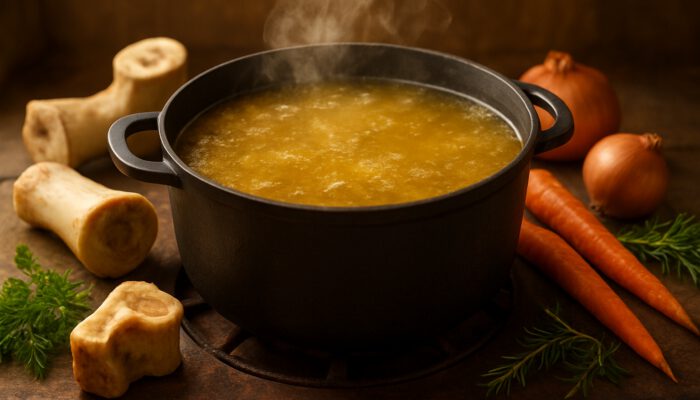
Choosing the appropriate bones is vital for producing a collagen-rich stock. Focusing on bones rich in joints and marrow, such as knuckles, feet, and neck bones, offers considerable benefits. These bones are packed with connective tissue, which decomposes during simmering, releasing ample collagen into the broth. The outcome is a thick, nourishing stock that not only enhances flavour but also provides numerous health benefits.
By gently simmering these bones, you encourage their decomposition, allowing collagen to blend into the liquid. This technique enhances the stock’s texture and amplifies its health advantages. In Australian cuisine, incorporating a variety of bones can create a more complex flavour profile, ensuring that your stock is both nutritious and enjoyable.
What Methods Can You Employ to Prepare Vegetables for Optimal Flavour in Your Stock?
To achieve a well-rounded stock, it is essential to use a selection of vegetables that beautifully complement the bones. Key vegetables to include in your stock recipe are:
- Carrots
- Onions
- Celery
- Garlic
- Leeks
Each of these vegetables contributes unique flavours; for instance, carrots provide natural sweetness, onions add depth, and celery offers a subtle earthiness. Together, they create a balanced flavour profile, ensuring your stock is both nutritious and delightful. When preparing these ingredients, cut them into larger pieces, as they will be strained out later. This method allows their flavours to thoroughly permeate the stock without creating a mushy texture.
How Can You Skillfully Integrate Herbs and Spices to Enhance Your Stock’s Flavour?
Incorporating fresh herbs and spices into your stock can significantly elevate its overall flavour while maintaining its natural richness. Herbs such as parsley and thyme are excellent options, adding a fragrant note that complements the savoury qualities of the broth. Use these herbs judiciously to enhance the dish without overpowering it.
Adding spices like black pepper can also be beneficial. These spices contribute warmth and assist in the extraction process during the prolonged simmering. Thoughtfully adding these elements throughout cooking leads to a more nuanced and flavourful stock that showcases the best characteristics of your selected ingredients.
What Essential Ingredients Maximise Collagen Extraction in Your Stock?
Why Is Careful Selection of Acidic Ingredients Crucial?
The inclusion of acidic ingredients is vital for effectively breaking down connective tissues, which is essential for optimal collagen extraction. A touch of apple cider vinegar is particularly beneficial, as it aids in dissolving collagen and releasing important proteins into the broth. This addition not only boosts the nutritional value of your stock but also enhances its overall flavour.
Introducing vinegar at the onset of the simmering process allows it to interact effectively with the bones. This initial step is crucial, establishing a rich, gelatinous stock filled with health benefits. Nutritionists frequently recommend this technique for anyone aiming to maximise the health advantages of homemade stocks.
What Is the Recommended Water Ratio for Crafting Concentrated Stock?
Maintaining an appropriate water-to-ingredient ratio is essential for achieving a concentrated stock. Too much water can dilute both flavours and nutrients, while too little may result in an overly thick or scorched stock. As a general guideline, add enough water to cover the bones and vegetables, ensuring they remain submerged without becoming excessively saturated.
As the stock simmers, water will evaporate, intensifying the flavours. Adjusting water levels as needed throughout the cooking process helps maintain the desired consistency. This careful balance facilitates optimal flavour development, resulting in a robust and nourishing stock that enhances your culinary dishes.
What Is the Ideal Simmering Duration for Achieving the Best Stock Results?

The simmering phase is where the true essence of stock-making emerges. Allowing your stock to simmer gently for twelve to twenty-four hours maximises the release of collagen and flavours. This extended cooking time is crucial for thoroughly breaking down connective tissues and extracting valuable nutrients from the bones.
Monitoring the simmering temperature closely is essential; a gentle simmer avoids boiling, which can cloud the stock and compromise its beneficial properties. By maintaining a steady, low heat, you ensure that the stock develops a clear, rich flavour and a beautifully gelatinous texture once cooled.
Expert Insights for Crafting Your Own Homemade Collagen-Rich Stock
What Considerations Should You Make When Selecting Bones?
Experts recommend using a diverse selection of bones, including knuckles and feet, to achieve superior gel formation and nutrient density in your stock. These bones are particularly rich in collagen and gelatine, contributing to a thicker, more nourishing final product. It is equally important to source high-quality bones from reputable suppliers to ensure optimal results.
When selecting bones, consider their source and freshness. Organic and grass-fed options often yield a more flavourful stock. This careful selection process can greatly enhance the overall quality of your homemade stock, making it a nutritious addition to your meals.
What Strategies Should You Use to Effectively Manage the Simmering Process?
Maintaining control during the simmering phase is crucial for producing high-quality stock. Begin by bringing your stock to a gentle boil, then promptly reduce the heat to ensure a low simmer. This temperature management prevents boiling, which may introduce impurities and cloudiness to the stock.
Utilising a thermometer can assist in accurately monitoring the temperature. Aim for a simmer between 85°C to 95°C (185°F to 203°F). Regularly skimming the surface for impurities during cooking will enhance clarity and flavour, resulting in a stock that is visually appealing and delicious.
What Are Practical Examples of Successful Stock Preparations?
Many experienced cooks suggest starting with small batches of stock to refine your techniques before increasing quantities for consistent use. This strategy allows for experimenting with various bones, vegetables, and herbs to discover the ideal balance for your taste preferences.
For instance, some cooks have discovered that adding a few dried shiitake mushrooms enhances the umami depth of the stock. Others might prefer a splash of soy sauce to enrich the flavour. These minor adjustments can lead to substantial improvements in your stock, making it a versatile base for various dishes.
Why Is the Inclusion of Acidic Ingredients Vital for Enhanced Extraction?
Incorporating acidic elements such as apple cider vinegar or lemon juice before simmering is a well-known technique for improving collagen extraction. These ingredients facilitate the breakdown of bones and connective tissues, leading to a gelatinous stock rich in nutrients. Nutritionists often highlight this method for its effectiveness in producing a stock with superior texture and health benefits.
Adding these acidic components not only aids in extraction but also imparts a subtle tang that can elevate the flavour of your stock. This simple yet impactful step can significantly enhance the quality of your final product, ensuring that you maximise the benefits derived from your ingredients.
What Are the Best Techniques for Cooling and Storing Your Stock?
Proper cooling of your stock is crucial for maintaining its quality and safety. After cooking, experts recommend skimming off any impurities that rise to the surface. Next, rapidly cool the stock to room temperature to prevent bacterial growth, which can be achieved by placing the pot in a sink filled with ice water.
Once cooled, divide the stock into containers suitable for refrigeration or freezing. Using airtight containers helps preserve collagen integrity and prevents freezer burn. Implementing correct preservation techniques ensures you have a ready supply of nutritious stock for all your culinary needs.
Effective Strategies for Crafting Your Own Collagen-Rich Stock
What Is the Best Method for Straining and Cooling Your Stock?
Straining your stock is a crucial step in the process. Effectively filtering removes solid particles, leaving you with a clear, flavourful liquid. Employing a fine mesh strainer or cheesecloth ensures that no small particles remain in the final product, enhancing both the appearance and taste of your stock.
Rapidly cooling the stock after straining is equally essential. Quick cooling helps prevent bacterial growth, preserving its quality for future use. Once cooled, store the stock in the refrigerator or freezer, ensuring it remains safe and ready for use in your favourite recipes.
How Can You Enrich Your Stock with Additional Nutrients?
Introducing ingredients like garlic or ginger during the final stages of cooking can significantly boost both the flavour and nutritional content of your stock. Garlic is renowned for its immune-boosting properties, while ginger provides a warming spice that aids digestion. These additions can transform your stock into a health-enhancing elixir.
Incorporating these additional nutrients not only enriches the stock but also adds a unique twist to its flavour profile. Experimenting with various herbs and spices can lead to delightful variations, making your stock a versatile base for countless culinary creations.
What Are the Optimal Storage Methods for Your Stock?
Effective storage techniques are crucial for ensuring that your stock retains its collagen content without spoiling. Glass jars or freezer-safe bags are excellent choices for maintaining freshness and preventing freezer burn. When using jars, leave some headspace to accommodate expansion as the stock freezes.
Choosing the best storage solution depends on how you plan to use the stock. Smaller portions are ideal for quick meals, while larger containers are perfect for batch cooking. This flexibility allows you to enjoy your homemade stock whenever you desire.
Why Is It Important to Select Quality Bones and Vegetables?
Opting for fresh, organic bones from trusted suppliers is vital for maximising collagen extraction. High-quality bones yield more nutrients and contribute to a richer flavour in your stock. Including a variety of vegetables such as carrots, onions, and celery adds crucial minerals and creates a robust flavour base.
When sourcing your ingredients, consider visiting local farmers’ markets or butcher shops that prioritise quality. This attention to detail can significantly elevate the final product, ensuring that your stock is both nutritious and delicious.
How Can You Manage the Simmer Duration for Optimal Results?
Maintaining a low, gentle simmer for twelve to twenty-four hours is essential for thoroughly breaking down connective tissues. This extended cooking time yields a thick, collagen-rich broth that supports joint and skin health without nutrient loss. Regularly checking the temperature is crucial to avoid boiling, which can adversely affect the stock’s clarity and flavour.
By controlling both the simmer duration and temperature, you can achieve a stock that is not only rich in collagen but also bursting with flavour. This meticulous approach results in a nourishing base that enhances your culinary creations.
What Is the Most Effective Strategy for Storing Your Stock?
How to Choose the Right Containers for Effective Storage
Selecting the appropriate containers for storing your homemade stock is crucial. Glass jars are an excellent choice, as they help maintain freshness and are reusable. Alternatively, freezer-safe bags can be utilised for larger quantities, effectively preventing freezer burn and simplifying the portioning process.
Ensure that the containers are airtight to keep out unwanted odours and maintain the quality of the stock. Properly sealing your stock will help preserve its flavour and nutritional benefits, allowing you to enjoy it for weeks or even months.
What Is the Best Way to Assess the Shelf Life of Your Stock?
Understanding the shelf life of your stock is vital for safe consumption. Refrigerated stock typically lasts for about four to five days, whereas frozen portions can remain viable for several months. Labeling containers with preparation dates can help you track freshness, ensuring that you use the oldest stock first.
This knowledge facilitates convenient meal preparation, allowing you to access a portion of stock whenever needed. Proper storage techniques and awareness of shelf life contribute to a more efficient kitchen and help reduce food waste.
What Is the Best Method for Reheating Stock Without Compromising Nutritional Value?
Reheating your stock requires careful attention to preserve its nutritional value. Gentle warming is essential; avoid bringing it to a rapid boil, as this can compromise the gelatin structure. Instead, warm the stock slowly on the stove or utilise a microwave at low power.
This careful method ensures that the stock retains its health benefits and rich flavour. By taking the time to reheat properly, you can enjoy the full advantages of your homemade collagen-rich stock in your daily meals.
How Can You Maximise the Nutritional Value of Every Batch of Stock?
What Are the Indicators of Successful Stock Preparation?
A successful stock is characterised by a rich golden colour and a jelly-like texture when cooled. These indicators signify high collagen content, confirming that the cooking process was effective. The appearance and consistency of your stock serve as reliable measures of its nutritional quality.
When cooled, a well-crafted stock should gel nicely, showcasing the extraction of collagen and nutrients from the bones. This gelatinous texture not only enhances mouthfeel but also indicates that your stock is packed with health benefits.
How Can You Creatively Use Leftover Stock in Your Cooking?
Leftover stock can be an incredibly versatile ingredient in your kitchen. Incorporating it into soups, sauces, or risottos can extend its nutritional benefits across multiple dishes. This practice not only reduces waste but also enriches your meals with added flavour and health advantages.
Consider using stock as a base for cooking grains or braising meats, allowing it to infuse its nutrients into your dishes. This creative use of stock can elevate your culinary efforts and ensure that you maximise the benefits of your homemade creation.
What Are the Key Benefits of Daily Consumption of Collagen-Rich Stock?
Regularly consuming collagen-rich stock can offer a multitude of health benefits, including:
- Improved skin elasticity
- Enhanced joint health
- Support for gut health
- Stronger hair and nails
- Reduced inflammation
Tracking these improvements can motivate you to incorporate stock into your daily diet. The benefits of collagen are well-documented, making it a valuable addition to your nutritional routine.
What Common Questions Arise About Collagen-Rich Stock?
What Defines Collagen-Rich Stock?
Collagen-rich stock is a nutrient-dense liquid produced by simmering bones, connective tissues, and vegetables for an extended period. It is rich in collagen, gelatine, and various minerals, making it beneficial for joint and skin health.
How Long Should I Simmer My Stock for Optimal Results?
For the best results, simmer your stock for twelve to twenty-four hours. This timeframe allows for maximum extraction of collagen and flavour from the bones and vegetables.
Can I Use Any Type of Bones for Making Stock?
While various bones can be used, those containing joints and marrow, such as knuckles and feet, yield the most collagen. These types of bones are recommended for creating a richer, more nutritious stock.
Which Vegetables Are Ideal for Stock-Making?
Key vegetables for stock creation include carrots, onions, celery, garlic, and leeks. These ingredients provide a balanced flavour profile and enhance the nutritional content of the stock.
What Can I Do to Enhance the Flavour of My Stock?
Incorporating fresh herbs like parsley and thyme, along with spices such as black pepper, can elevate the flavour of your stock without overshadowing its natural richness.
What Is the Best Way to Store Homemade Stock?
Store homemade stock in airtight glass jars or freezer-safe bags. Refrigerated stock typically lasts for several days, while frozen portions can remain viable for months without losing quality.
What Are the Signs of a Successful Stock?
A successful stock should exhibit a rich golden colour and a jelly-like texture when cooled. These signs indicate high collagen content and effective extraction of nutrients.
Can I Reuse Stock in Other Dishes?
Absolutely! Leftover stock can serve as a base for soups, sauces, or cooking grains, extending its nutritional benefits across numerous dishes.
What Is the Recommended Method for Reheating Stock?
Gently reheat your stock, avoiding rapid boiling to preserve its gelatin structure. Warm it slowly on the stove or in the microwave at low power for optimal results.
How Often Should I Include Collagen-Rich Stock in My Diet?
Incorporating collagen-rich stock into your diet regularly can yield significant health benefits. Aim for a few servings each week to effectively support skin, joint, and gut health.
Join Our Engaging Facebook Community Today!
The post How to Make Homemade Collagen-Rich Stock: Healthy Broth Tips appeared first on Cooking Gods.
The Article Homemade Collagen-Rich Stock: Tips for a Healthy Broth Was Found On https://limitsofstrategy.com
The Article Collagen-Rich Stock: Tips for Crafting a Healthy Broth found first on https://electroquench.com