Understanding the Vital Role of Cultural Heritage in Shaping Community Identity
Exploring the Core Elements That Define Cultural Heritage
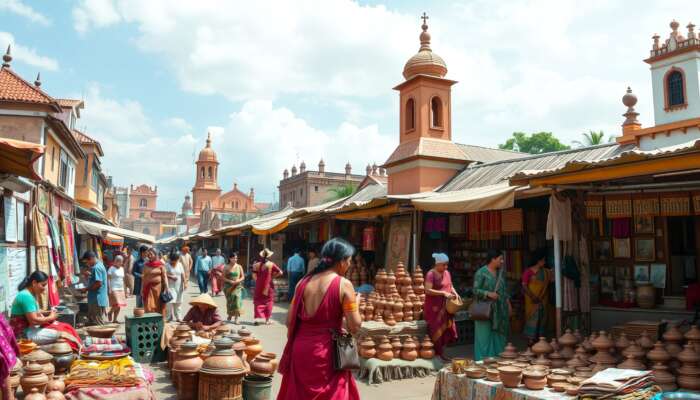
Recognising the significance of cultural heritage is fundamental for appreciating its role as a vital foundation of community identity. It encapsulates a rich tapestry of distinctive traditions and values that have been carefully preserved and transmitted through countless generations. The artistry evident in textiles and pottery, alongside the profound philosophies that shape social practices, serve as living narratives reflecting a community’s unique identity. This heritage includes languages, rituals, and local knowledge systems, offering invaluable insights into the historical contexts and lifestyles of communities. Recognising these key elements is essential for understanding the deep connections individuals maintain with their cultural roots.
At its core, cultural heritage is a compilation of stories that connect generations, shaping the legacies of communities. Traditional storytelling serves as a medium for transmitting wisdom and morals, thereby enriching the expansive tapestry of human experiences. Techniques such as oral histories, folk tales, and contemporary local narratives form the backbone of cultural transmission. Engaging with these elements not only nurtures a deeper appreciation for the diversity of human expression but also enriches the global cultural landscape, fostering a more nuanced understanding of our shared humanity.
- Unique traditions that have been passed down through generations.
- Artistic expressions found in textiles and pottery.
- Languages and rituals that shape distinct communities.
- Stories that forge connections across generations.
- Preservation of wisdom and morals for future generations.
How Do Celebrations and Festivals Reflect Cultural Identity?
Celebrations and festivals act as vibrant manifestations of cultural identity, showcasing unique customs and artistic forms that embody the essence of a community. Each festival narrates a distinctive story, often rooted in historical events, agricultural cycles, or religious beliefs. These occasions serve as platforms for artistic expression, blending local music, dance, and culinary traditions into a harmonious celebration. For example, the Day of the Dead in Mexico exemplifies this cultural fusion, honouring deceased loved ones while integrating indigenous practices with Catholic elements, thereby illustrating the evolving nature of cultures while paying tribute to their history.
Beyond their festive aspects, celebrations strengthen community bonds. Residents engage in rituals and activities that cultivate a sense of unity and belonging. Such gatherings not only promote cultural pride but also attract visitors, creating opportunities for enriching cultural exchange. Participation in these festivities allows travellers to immerse themselves in the living traditions that shape society. Through these vibrant celebrations, the essence of cultural heritage is preserved and shared, enhancing mutual understanding among diverse populations and fostering a sense of shared identity.
- Expressions of cultural identity through vibrant celebrations.
- Celebration of historical events and agricultural cycles.
- Platforms for artistic expression, including music and dance.
- Opportunities for community unity and a sense of belonging.
- Immersive experiences for visitors to engage in local culture.
Why Is Cultural Heritage Preservation Crucial for Communities?
The preservation of cultural heritage is vital for sustaining community identity and spirit, particularly in an era of globalization that threatens to erode local traditions. By safeguarding cultural practices, languages, and artefacts, communities ensure that future generations inherit the rich tapestry of their ancestors’ experiences. This preservation not only fosters a sense of pride and belonging but also strengthens community bonds that might otherwise weaken in a rapidly evolving world. Valuing cultural heritage empowers communities to assert their unique identities against external influences that may homogenise distinctive characteristics.
Efforts towards preservation necessitate a blend of education, documentation, and active participation in cultural practices. Engaging younger generations in these initiatives is essential, as they will carry forward the cultural narratives that must be cherished. Community-driven efforts, such as workshops, local museums, and cultural exhibitions, play a crucial role in the preservation process. These initiatives underscore the value of heritage while encouraging vital dialogue about its relevance in contemporary society, ensuring that cultural narratives continue to thrive and evolve.
- Maintaining identity and fostering community spirit.
- Encouraging pride and a sense of belonging among residents.
- Engaging younger generations in the preservation of culture.
- Community initiatives like workshops and exhibitions to promote heritage.
- Fostering dialogue about the relevance of culture in society.
How Does Cultural Heritage Influence Modern Society?
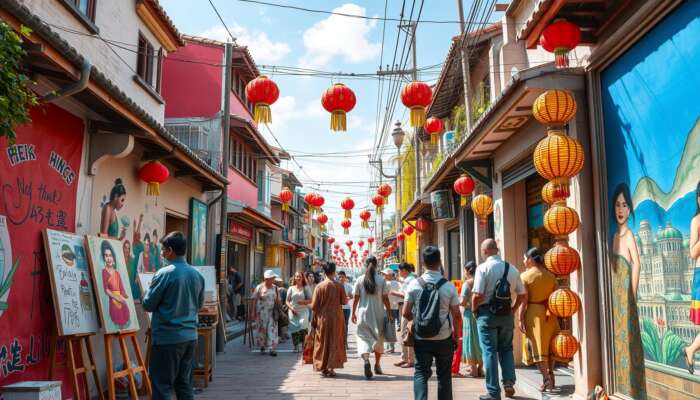
Cultural heritage plays a significant role in shaping modern society, influencing contemporary values, practices, and social norms. The intersections between historical customs and modern expressions create dynamic narratives that inform art, fashion, language, and social interactions. By understanding cultural heritage, individuals can appreciate how past practices continue to inspire innovation and creativity today. For instance, numerous contemporary artists draw from traditional techniques and themes, merging the old with the new to create works that resonate across generations.
Moreover, cultural heritage fosters a sense of belonging and continuity, particularly in an era characterised by rapid change. As individuals navigate a globalised world, their connection to cultural roots provides grounding and stability. This relationship is especially noticeable in urban environments where diverse populations coexist. Cultural heritage serves as a bridge, facilitating understanding and cooperation among varied communities. Therefore, the influence of cultural heritage extends beyond individual identity, shaping societal frameworks and contributing to ongoing dialogues about belonging in an increasingly multifaceted world.
- Influencing contemporary values and social practices.
- Inspiring innovation and creativity in modern artistic expressions.
- Providing grounding and stability in a globalised context.
- Facilitating understanding and collaboration among diverse communities.
- Contributing to societal frameworks and collective identity.
What Cultural Interactions Exist Between San Miguel de Allende and Oaxaca?
What Are Some Tangible Examples of Cultural Exchange?
Exploring the journey from San Miguel de Allende to Oaxaca reveals a wealth of cultural exchanges that highlight shared traditions and practices. The vibrant art scene in San Miguel, renowned for its colonial architecture and flourishing artistic community, beautifully contrasts with Oaxaca’s famous craft markets and deep-rooted indigenous heritage. Both locations showcase a blending of influences, ranging from Spanish colonial to indigenous, resulting in unique artistic expressions that captivate travellers.
A notable example of this cultural synergy is the collaboration between artisans from both regions. In Oaxaca, intricate handwoven textiles and pottery often draw inspiration from traditional designs found in neighbouring communities, including those in San Miguel. This collaboration not only enhances artistic craftsmanship but also strengthens inter-community relationships, fostering mutual respect and shared learning. As travellers engage with local artisans, they witness the beautiful amalgamation of traditions that reflect the depth of cultural exchange.
- Vibrant art scenes flourishing in both cities.
- Contrasting architectural styles that reflect their heritage.
- Artisan collaborations that cross regional boundaries.
- Shared learning experiences promoting mutual respect.
- Unique artistic expressions appreciated by visitors from afar.
What Actionable Steps Can Enhance Cultural Engagement?
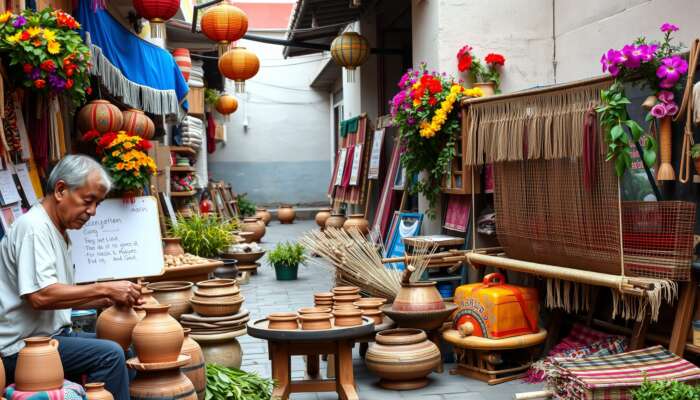
Engaging with cultural practices along the route from San Miguel de Allende to Oaxaca significantly enhances travellers’ understanding and appreciation of the rich heritage found in Mexico. Travellers can immerse themselves in local workshops that focus on traditional crafts such as pottery or textile weaving. These hands-on experiences forge direct connections with artisans, providing insights into the techniques and cultural significance behind each craft.
Furthermore, participating in local festivals or events offers an excellent opportunity to dive into the vibrant atmosphere of a community. Experiencing Oaxaca’s Guelaguetza festival presents a unique chance to witness traditional music, dance, and culinary delights, showcasing the region’s cultural diversity. Travellers should also explore local markets, engaging with vendors, tasting regional specialties, and learning about the ingredients that define Oaxacan cuisine.
- Participate in workshops that focus on traditional crafts.
- Attend local festivals for immersive cultural experiences.
- Visit artisan markets to engage with local vendors and their crafts.
- Join guided tours that focus on cultural history and practices.
- Volunteer with community projects that promote cultural preservation.
By embracing these actionable steps, travellers not only create memorable experiences but also positively contribute to the communities they visit. Such engagement fosters a deeper connection to the cultural landscapes of San Miguel de Allende and Oaxaca, enriching both personal experiences and community narratives.
What Expert Insights Can Illuminate Cultural Interactions?
Understanding the dynamics of cultural interactions between San Miguel de Allende and Oaxaca reveals how diverse communities influence one another, weaving a rich tapestry of shared experiences. Experts emphasise that cultural exchange transcends transactional interactions; it embodies profound respect and understanding among different traditions. For example, culinary practices observed in Oaxaca, characterised by their traditional flavours and techniques, have inspired chefs in San Miguel, resulting in innovative culinary offerings that honour indigenous roots while infusing creativity.
This interaction extends beyond food into the realms of art and music, where artists from both regions frequently collaborate, merging styles and techniques. The vibrant colours and motifs typical of Oaxacan art often find their way into the creations of artists in San Miguel, reflecting a mutual appreciation for aesthetic values. Such collaborations not only enhance artistic expression but also foster dialogue regarding cultural identity and the preservation of heritage, enriching the cultural landscape of both communities.
- Deep-rooted respect and understanding between diverse traditions.
- Innovative culinary offerings inspired by traditional practices.
- Collaborations between artists from both regions enhancing their works.
- Blending styles and techniques for enriched artistic expression.
- Promoting dialogue about cultural identity and preservation of heritage.
What Transportation Options Are Available from San Miguel de Allende to Oaxaca?
What Are the Various Modes of Transportation Available for Travelers?
Travelling from San Miguel de Allende to Oaxaca presents a variety of transportation options that can enhance the cultural journey. Different modes of transportation offer unique opportunities to engage with the landscape and communities encountered along the way. Buses are a popular choice among travellers due to their affordability and extensive routes connecting major cities. They provide a leisurely journey, featuring stops at scenic viewpoints and small towns where passengers can interact with locals and savour regional foods.
For those seeking a more personalised experience, shared rides or private cars provide flexibility in travel itineraries. This mode of transport allows individuals to explore off-the-beaten-path destinations that may not be accessible via public transport. Although train services are less common in the region, they offer a unique perspective on the countryside, allowing travellers to appreciate the natural beauty of Mexico’s diverse landscapes. Regardless of the chosen method, each mode of transport contributes to the overall experience, offering insights into the cultural and geographical diversity along the journey.
- Buses offering affordability and extensive travel routes.
- Shared rides providing flexibility and personal interaction.
- Private cars for a customised journey with freedom to explore.
- Trains, where available, offering scenic views of the countryside.
- Walking tours for local exploration and engagement.
How Does Accessibility Impact Travel Options for All?
Accessibility plays a vital role in enabling cultural exploration, particularly in areas like San Miguel de Allende and Oaxaca. An accessible transportation system ensures that individuals of all abilities can engage with cultural sites and experiences. This inclusivity fosters richer cultural exchanges, allowing a variety of groups to actively participate in the community’s heritage, thereby enriching the overall cultural experience.
Moreover, accessible travel promotes local economies by opening opportunities for all travellers to visit cultural landmarks, festivals, and artisan markets. Implementing accessibility features in transportation, such as ramps and designated seating, enhances the travel experience for individuals with disabilities while raising awareness among the broader public. When communities prioritise accessibility, they demonstrate their commitment to inclusivity, ultimately enriching the cultural fabric of society.
- Ensuring engagement for all individuals in cultural sites and activities.
- Encouraging local economies to thrive through increased tourism.
- Implementing accessibility features in transportation options.
- Promoting awareness among the general public regarding inclusivity.
- Demonstrating commitment to inclusivity within communities.
What Are the Key Transportation Options to Consider for Your Journey?
When planning your journey from San Miguel de Allende to Oaxaca, consider the following transportation options that can enhance your travel experience:
- Buses, providing extensive routes and scenic views of the landscape.
- Shared rides for flexibility and personal interaction with locals.
- Private cars for an independent journey with customizable itineraries.
- Trains, where available, for a scenic and relaxed travel experience.
- Walking tours in towns along the way to explore local culture and traditions.
- Bicycles for eco-friendly travel and exploration of rural areas.
These diverse transportation options facilitate travel while encouraging deeper engagement with the rich heritage and culture found throughout the region. Each journey becomes an enriching experience, allowing travellers to connect with the essence of the destinations they explore.
What Culinary Experiences Await Along the Journey from San Miguel de Allende to Oaxaca?
What Distinguishes Local Cuisine in This Region?
The culinary offerings between San Miguel de Allende and Oaxaca showcase the region’s rich history, geographical diversity, and cultural tapestry. Local cuisine highlights ingredients unique to the area, resulting in flavours and dishes that are deeply tied to their origins. Oaxaca is widely recognised as the culinary capital of Mexico, celebrated for its complex moles, diverse salsas, and intricate cheese-making traditions. The emphasis on locally sourced ingredients, such as corn, beans, and chilies, underscores the integral connection between food and cultural identity.
Traditional cooking methods, including the use of clay pots or open-fire grilling, impart distinct flavours and textures that modern techniques cannot replicate. This commitment to preserving time-honoured culinary practices allows travellers to savour authentic flavours that narrate the history and customs of the region. Exploring local cuisine not only satisfies the palate but also serves as a pathway to understanding the cultural narratives and social practices that define a community.
- Distinct flavours tied to local origins and traditions.
- Complex moles and diverse salsas in Oaxacan cuisine.
- Traditional cooking methods contributing to unique textures.
- Authentic flavours narrating the history and customs of the culture.
- A gateway to understanding cultural narratives through food.
What Must-Try Dishes and Ingredients Should You Sample on Your Journey?
Travelling from San Miguel de Allende to Oaxaca offers a remarkable opportunity to indulge in the region’s culinary landscape, highlighting must-try dishes that reflect local traditions and flavours. First on the list is the renowned mole, a rich sauce made with an array of ingredients, including chilies, spices, and even chocolate, with each region showcasing its unique interpretation. Oaxacan mole, in particular, stands out for its complexity and depth of flavour, making it a must-try for any culinary enthusiast.
Another essential dish is tlayuda, often referred to as “Oaxacan pizza.” This large, crispy tortilla is typically topped with refried beans, cheese, and a selection of fresh ingredients, creating a delightful mix of textures and flavours. Street tacos, filled with everything from grilled meats to sautéed vegetables, offer a quick yet flavourful option for travellers on the move. Incorporating local ingredients such as nopal (cactus) and various types of salsas further enhances this culinary experience, allowing visitors to engage with the vibrant flavours of the region.
- Mole, especially the celebrated Oaxacan variety.
- Tlayuda, a large crispy tortilla with a variety of toppings.
- Street tacos, showcasing diverse and delicious fillings.
- Quesillo, Oaxacan string cheese known for its unique texture.
- Tamales, often filled with meats or sweet fillings for a delightful experience.
- Chiles en nogada, a seasonal specialty showcasing local ingredients.
Sampling these dishes offers travellers a taste of the region’s culinary heritage, deepening their connection to the cultural landscape and creating memorable experiences along the journey.
What Culinary Highlights Should You Experience During Your Travels?
As you journey from San Miguel de Allende to Oaxaca, immerse yourself in the vibrant culinary scene by experiencing the following highlights:
- Explore local markets for fresh ingredients and street food delicacies.
- Join cooking classes to learn traditional recipes from local chefs.
- Taste artisanal cheeses and chocolates that are unique to the region.
- Participate in food festivals that celebrate local cuisine and culinary traditions.
- Visit mezcalerías to sample local mezcal and learn about its production.
- Dine at family-run restaurants that serve authentic traditional dishes.
These culinary encounters not only enrich the travel experience but also provide deeper insights into how food plays a vital role in cultural identity and community cohesion, making every bite a celebration of heritage and tradition.
What Role Do Food Markets and Festivals Play in Cultural Engagement?
Visiting food markets and culinary festivals along the route from San Miguel de Allende to Oaxaca offers an immersive glimpse into local culture. Markets, such as the Mercado de Abastos in Oaxaca, serve as bustling hubs where locals gather to purchase fresh produce, spices, and traditional foods. Here, travellers can engage with vendors, sample regional delicacies, and experience the vibrant atmosphere that defines community life.
Culinary festivals, like the Guelaguetza festival in Oaxaca, provide unique opportunities to experience the region’s rich culinary offerings. These festivals celebrate local dishes through cooking demonstrations, tastings, and competitions that showcase the talents of local chefs and home cooks alike. Such events allow travellers to savour the best of Oaxacan cuisine while learning about the cultural significance of each dish, fostering a deeper appreciation for the traditions that shape culinary practices.
Furthermore, interacting with local chefs during these festivals offers invaluable insights into the cooking techniques and ingredients that define Oaxacan cuisine. As the region’s flavours unfold through these experiences, travellers savour the essence of the culture that extends far beyond the plate, enhancing their overall cultural engagement.
- Immersive glimpses into local culture through vibrant markets.
- Engagement with vendors and sampling regional delicacies.
- Unique opportunities provided by culinary festivals.
- Cooking demonstrations and tastings highlighting local dishes.
- Insights into cooking techniques from local chefs and artisans.
What Trusted Strategies Can Enhance Your Journey from San Miguel de Allende to Oaxaca?
How to Prepare for Effective Cultural Exploration?
Planning a cultural exploration from San Miguel de Allende to Oaxaca requires thoughtful preparation to maximise the experience. Start by researching local customs, traditions, and historical contexts that are relevant to the areas you intend to visit. Understanding these cultural nuances allows for deeper engagement and appreciation throughout your travels. A well-crafted itinerary should encompass visits to key cultural sites, artisan workshops, and community events that align with your interests and curiosity.
Additionally, consider scheduling downtime to explore spontaneously. Allowing for unplanned detours can lead to unexpected discoveries, such as stumbling upon a local festival or artisan market. Engaging with locals through guided tours or informal conversations provides invaluable insights into the community’s culture and heritage. By approaching the journey with an open mind and a willingness to learn, travellers can create enriching experiences that resonate long after the trip concludes.
- Research local customs and traditions for informed engagement.
- Plan visits to key cultural sites and community events.
- Schedule downtime for spontaneous exploration of hidden gems.
- Engage with locals for deeper insights into their culture.
- Approach the journey with an open mind and curiosity.
What Resources Can Assist Travelers on Their Journey?
A variety of resources can assist travellers in learning about cultural practices along the route from San Miguel de Allende to Oaxaca. Local tourism websites serve as comprehensive guides on cultural events, festivals, and attractions, making them valuable starting points for planning your journey. Additionally, engaging with local experts, such as tour guides and cultural organisations, offers unique perspectives and insider knowledge that can greatly enhance the travel experience.
- Local tourism websites for guidance on cultural events and attractions.
- Engagement with local experts for insider knowledge and insights.
- Tour guides offering unique perspectives on cultural heritage.
- Cultural organisations promoting awareness of local traditions.
- Community resources enhancing the overall travel experience.
The Article: San Miguel de Allende to Oaxaca: Discover Unique Cultural Paths appeared first on https://fallinginlovewithsanmiguel.com/
The Article Unique Cultural Paths from San Miguel de Allende to Oaxaca Was Found On https://limitsofstrategy.com