Explore the Diverse Range of Smokers Ideal for Your Outdoor Cooking Adventures
What Makes Offset Smokers the Preferred Choice for Backyard Barbecues?
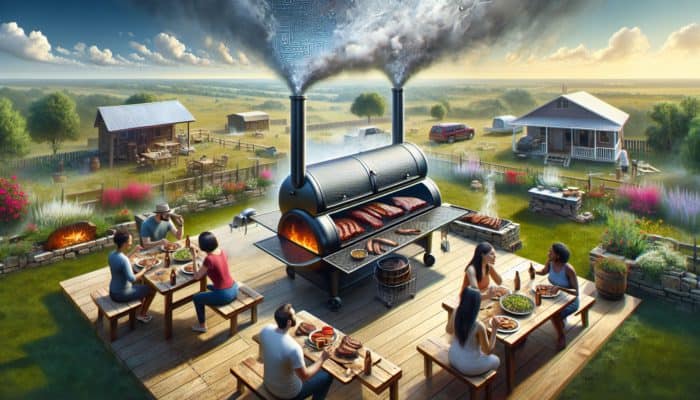
Choosing the optimal smoker for your backyard cooking is vital for ensuring delightful culinary experiences. Offset smokers have gained immense popularity among barbecue aficionados, thanks to their spacious capacity and consistent heat distribution. These features render them incredibly versatile, catering to a variety of cooking styles and preferences. Their ingenious design allows for indirect heat cooking, which is essential for achieving tender, succulent meats infused with rich flavours. Home chefs frequently employ offset smokers to prepare classic favourites such as brisket, ribs, and pulled pork, enjoying the rewarding results of low-and-slow cooking. When setting up an offset smoker, always ensure that the firebox is well-ventilated and that the cooking chamber has adequate airflow to maintain stable temperatures. This setup not only enhances the flavour of your dishes but also allows you to simultaneously prepare multiple recipes, making it an excellent choice for social gatherings.
To illustrate this point, consider summer barbecues where backyard enthusiasts position offset smokers alongside traditional grills. This dynamic setup enables the serving of expertly smoked meats alongside grilled vegetables and burgers, catering to diverse tastes. Furthermore, offset smokers excel at preparing smoked fish, as their ability to maintain a steady temperature enhances the delicate flavours without overpowering them.
Key Features to Consider When Choosing Your Smoker
When selecting a smoker for your backyard barbecuing adventures, prioritising durability and temperature control is paramount to ensure consistent performance. A robust construction, crafted from high-quality materials, can withstand various outdoor conditions, while precise temperature control features guarantee reliable cooking outcomes. A practical approach to evaluate these crucial features before making a purchase is to read user reviews and feedback on the specific model you are considering. Look for comments highlighting long-term usage, demonstrating the smoker's capacity to maintain optimal performance over time.
Additionally, if possible, inspect the smoker in person for valuable insights into its quality. Check for thick, insulated walls that assist in maintaining steady temperatures and sturdy legs that can support the smoker's weight when filled with food. Brands offering warranties or satisfaction guarantees display confidence in their product's durability. Engaging in discussions with local barbecue enthusiasts can further enhance your understanding of which models endure the test of time and deliver unparalleled cooking experiences.
How to Choose Between Electric and Charcoal Smokers
The decision between electric and charcoal smokers largely depends on personal preference and the cooking style you wish to adopt. Electric smokers generally provide greater ease of use, making them ideal for novices. They offer quick startup times and precise temperature settings, allowing for a more hands-off cooking experience. However, they may not produce the authentic smoky flavour that many barbecue enthusiasts desire. In contrast, charcoal smokers capture the traditional essence of smoked foods, but they require more skill and attention to maintain the desired cooking temperature.
- Electric Smokers: User-friendly, minimal mess, consistent heat, requires an electrical source.
- Charcoal Smokers: Authentic flavour, achieves high temperatures, generally lower initial cost, demands more skill.
- Electric Smokers: Perfect for beginners, suitable for small spaces, and lower risk of flare-ups.
- Charcoal Smokers: Offer a wider variety of flavour profiles and can incorporate wood chunks for added smoke.
Those who appreciate the convenience of electric smokers may gravitate towards them, while traditionalists often prefer charcoal for its rich depth of flavour. Evaluating how frequently you plan to use the smoker and the cooking style you aim to adopt, along with the specific dishes you envision creating, can significantly guide your decision-making process. Each type of smoker boasts unique advantages, and understanding these will ensure your choice aligns with your backyard cooking aspirations.
Expert Advice for Selecting the Perfect Smoker for Outdoor Cooking
Advanced Material Considerations for Enhancing Smoker Longevity
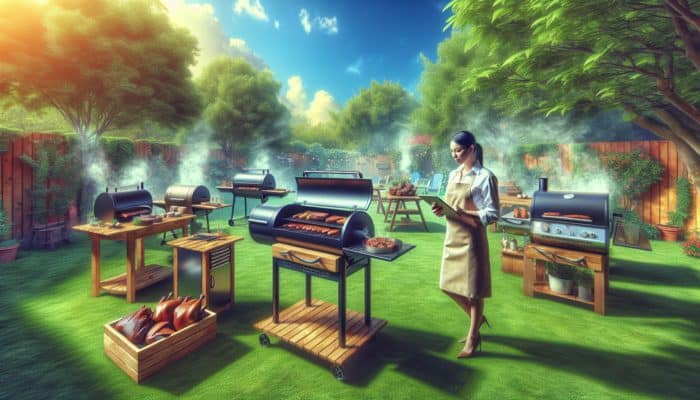
The longevity of smokers is significantly influenced by the materials used in their construction. Experts commonly recommend stainless steel for its rust resistance and ease of cleaning. This material not only withstands various environmental conditions but also excels in heat retention, which is crucial for achieving the desired cooking temperatures. Over time, the choice of material can greatly affect cooking quality, as lower-quality smokers may degrade, resulting in inconsistent results.
Moreover, examining the gauge of the steel can provide insights into durability; a thicker gauge typically indicates a more robust product. This attribute helps prevent warping and ensures even heat distribution across the cooking surface. Regular maintenance, such as cleaning and checking for rust, can significantly extend the smoker's lifespan. Applying a food-safe protective coating can further enhance longevity, especially for smokers used in humid environments. Consulting with experts at local barbecue shops can offer insights into which brands and models deliver the best material quality for your cooking needs.
Why Insulation Is Essential for Smoker Efficiency and Performance
Insulation is a fundamental aspect of smoker design that directly influences cooking performance. Adequate insulation helps maintain stable temperatures, essential for employing low-and-slow cooking methods. Smokers lacking proper insulation may encounter temperature fluctuations, leading to uneven cooking and compromised flavour. When searching for a smoker, look for models with double-walled construction that effectively traps heat and minimises heat loss.
To optimise efficiency, consider models with a well-insulated firebox, as this not only retains heat but also lessens fuel consumption required to maintain the desired temperature. Conducting a simple test can help assess insulation effectiveness; run the smoker for a brief period and check for noticeable heat loss by carefully touching the outer surface. If the smoker feels excessively hot to the touch, it may lack adequate insulation. Engaging with seasoned smokers can provide guidance on which brands excel at insulation, helping you choose a model that guarantees consistent cooking results.
Finding the Right Balance Between Size and Portability in Your Smoker Selection

Achieving an ideal balance between size and portability is crucial when selecting a smoker, particularly for those navigating varying backyard conditions. Insulated smokers can provide a solid compromise, as they tend to be bulkier while remaining manageable to transport. For instance, a compact smoker may fit perfectly in tight spaces but limit cooking capacity. Conversely, a larger unit may offer ample space for multiple dishes yet be cumbersome to manoeuvre.
Real-world examples illustrate this balance; many enthusiasts successfully use portable smokers for camping excursions or tailgating events while ensuring they have sufficient cooking space for family gatherings. Evaluating the average size of gatherings and the specific types of dishes you intend to prepare can greatly inform your choice. Additionally, consider models equipped with wheels or handles to facilitate easier transportation. Engaging with fellow barbecue enthusiasts about their preferences can provide further insights into which models offer the best combination of size and convenience for various backyard scenarios.
Exploring Fuel Options and Their Influence on Flavour in Smoked Dishes
The choice of fuel source profoundly impacts the flavour profile of your smoked dishes. Experts often highlight the distinctions among charcoal, gas, and electric options, each offering unique characteristics that affect the smoking process. Charcoal remains a top choice for purists due to its ability to impart an authentic smoky flavour, particularly when paired with various wood types. Gas smokers deliver convenience and consistent heat but may lack the depth of flavour associated with traditional smoking methods. Conversely, electric smokers are user-friendly and provide precise temperature control, though they may produce a less pronounced smoky flavour.
In Australia, where outdoor cooking is a cherished tradition, understanding the local availability of fuel sources can inform your decision. For example, hardwood or fruitwood options are often readily accessible and can enhance the flavour of meats such as lamb and pork. When selecting a smoker, consider how each fuel type aligns with your cooking style and the flavour profiles you wish to achieve. Engaging with local barbecue communities can also yield insights into the best fuel options for specific dishes, enriching your overall backyard cooking experience.
How Does a Smoker Enhance the Flavour Profiles of Your Cooking?
What Role Does Wood Type Play in the Smoking Process?
The type of wood utilised in smoking plays a pivotal role in shaping the overall flavour profile of your dishes. Various woods, such as hickory, mesquite, and apple, impart distinctive tastes that can elevate your cooking experience. For instance, hickory offers a bold, robust flavour that pairs exceptionally well with red meats, while apple wood provides a milder, fruity taste that complements poultry and pork beautifully. Experimenting with different wood combinations can create complex flavour profiles that enhance your dishes.
A highly effective technique involves blending woods; for instance, combining hickory with apple can yield a balanced smoky flavour that amplifies the meat's natural richness. It’s also essential to consider the wood's moisture content, as well-dried wood produces cleaner smoke, preventing the bitterness that can arise from overly moist wood. Engaging in discussions within culinary circles can offer further insights into which wood types complement specific meats and cooking styles, enabling you to craft truly memorable dishes.
Key Techniques for Achieving Smoky Results
Monitoring temperature is crucial for flavour development in smoked dishes. Maintaining consistent low temperatures allows the meat's natural juices to meld with the smoke, resulting in tender, flavourful meat. Techniques like the ‘low-and-slow' method encourage the breakdown of tough connective tissues, yielding melt-in-your-mouth textures. Employing a reliable thermometer is key to achieving these results, ensuring the meat's internal temperature reaches safe levels while retaining moisture and flavour.
Moreover, allowing meat to rest after smoking can further enhance flavour. Giving the meat a few minutes to rest before slicing allows the juices to redistribute, resulting in a more succulent bite. Engaging with experienced barbecue chefs can provide additional strategies to optimise your smoking techniques, from selecting the right rubs to determining the best times to baste or wrap the meat. This knowledge empowers you to master the art of smoking and produce dishes that will impress your guests.
How to Avoid Common Flavour Pitfalls in Smoking
Over-smoking is a frequent pitfall that can result in bitterness, detracting from the overall taste of your dishes. It is crucial to carefully regulate fuel and manage wood usage during the smoking process. A general guideline is to limit yourself to one to two chunks of wood per hour, depending on your smoker's size and the desired smoke intensity. Monitoring the smoke colour is equally essential; a thin, blue smoke signifies clean combustion and flavourful results, while thick, white smoke indicates incomplete combustion and potential bitterness.
- Use seasoned wood for enhanced flavour.
- Limit wood chunks to prevent excess smoke.
- Monitor smoke colour; aim for blue smoke.
- Adjust airflow to control smoke density.
Another common issue is neglecting to account for meat thickness; thicker cuts require longer smoking times to absorb flavour adequately. Engaging in experiments with various types of meat can deepen your understanding of cooking times and optimal techniques. By applying these troubleshooting strategies, you will be well on your way to achieving outstanding taste outcomes in your smoked dishes.
Research-Backed Benefits of Selecting the Right Smoker for Outdoor Cooking
The Impact of Fuel Efficiency on Smoker Selection
Fuel efficiency is a critical factor when selecting a smoker, as efficient models reduce costs and resource consumption. Research demonstrates that smokers designed for fuel efficiency minimise waste and enhance the overall cooking experience. For example, smokers that maintain consistent temperatures require less fuel, enabling longer cooking times without the need for frequent refuelling. This not only saves money but also contributes to a more enjoyable experience, especially during extended smoking sessions.
Investing in an efficient smoker can prove to be a wise long-term investment, as savings on fuel accumulate over time. Moreover, environmentally conscious consumers appreciate that reducing fuel consumption lessens the carbon footprint. Engaging with manufacturers that prioritise fuel efficiency in their designs can provide insights into which models deliver exceptional value, ensuring your investment offers both performance and sustainability.
Why Effective Airflow Systems Are Crucial for Cooking Quality
Airflow is a fundamental component in achieving consistent cooking results. Smokers equipped with effective airflow systems help prevent flare-ups and ensure even heat distribution throughout the cooking chamber. Studies indicate that models featuring adjustable vents and fans enable precise control of smoke and heat levels, enhancing the quality of your dishes. Understanding how airflow affects the smoking process can significantly improve your results, leading to consistently smoked meats.
To incorporate an effective airflow system into your cooking routine, consider models that allow easy adjustments based on the type of fuel and wood you utilise. Regular maintenance, including clearing ash and debris, is essential for optimal airflow. Engaging with experienced smokers can provide valuable insights into how different airflow designs impact cooking, guiding you toward models that best meet your specific needs.
Health Benefits Associated with Low-and-Slow Cooking Techniques
Research supports the notion that low-and-slow cooking methods preserve nutrients better than quick, high-heat techniques. This makes smokers an excellent choice for health-conscious individuals aiming to prepare meals that are both delicious and nutritious. Smokers typically employ indirect heat, which helps preserve essential vitamins and minerals in meats and vegetables, promoting healthier meal preparation.
Moreover, selecting smokers that support healthier cooking methods can significantly impact your results. For instance, opting for models that allow for the integration of vegetables and herbs alongside meats can enhance nutrient density. Consulting with nutritionists or culinary experts regarding healthy smoking practices can offer further insights into maximising the health benefits of your meals while enjoying the art of outdoor cooking.
What Must-Have Accessories Should You Consider for Your Smoker?
How to Choose the Right Thermometer for Your Smoker
Accurate thermometers are essential for ensuring food safety and achieving perfectly cooked meats. When choosing a thermometer, prioritise models with digital displays that provide precise, real-time readings. Instant-read thermometers are particularly advantageous for checking internal temperatures without compromising heat within the smoker. Consider models equipped with probe capabilities that remain in the meat throughout cooking, allowing for continuous monitoring.
Additionally, evaluating the thermometer's response time is vital; faster readings offer immediate feedback on cooking progress. Many high-quality thermometers feature functionalities such as alarms and Bluetooth connectivity, facilitating remote temperature monitoring. Engaging with fellow barbecue enthusiasts can help you identify which thermometers have proven reliable in real-world conditions, ensuring you make an informed choice for your backyard cooking.
Incorporating Effective Storage Solutions with Your Smoker
Proper storage solutions are crucial for keeping your smoker accessories organised and protected. Storage not only safeguards your tools from damage but also extends their lifespan. Consider investing in dedicated storage racks or containers to keep essential items like wood chips, gloves, and cleaning tools. This ensures everything is conveniently located and easily accessible when needed.
Incorporating magnetic strips or hooks near your smoking area can keep thermometers and utensils within reach, streamlining the cooking process. Additionally, ensuring your storage solutions are waterproof and durable can protect against the elements, especially if your smoker remains outdoors. Engaging with local barbecue communities can provide insights into effective storage solutions that have worked well for others, enhancing your overall smoking experience.
Why Cleaning Tools Are Essential for Smoker Maintenance
Regular cleaning is vital for maintaining hygiene and performance in your smoker. Utilizing durable cleaning tools specifically designed for smokers helps prevent grease and ash buildup from impacting your cooking results. Invest in high-quality brushes, scrapers, and cloths that can endure the rigours of cleaning while effectively removing debris.
Establishing a routine cleaning schedule after each use can prevent long-term problems such as corrosion or unpleasant odours. It’s crucial to focus on the cooking grates, drip tray, and smoke chamber, as these components are essential for optimal performance. Engaging with experienced smokers can provide additional cleaning tips and recommendations on the best products available, ensuring that your smoker remains in excellent condition over time.
Essential Gloves for Safe Handling of Hot Items
Heat-resistant gloves are necessary for protecting your hands from high temperatures when handling food and smoker components. Selecting gloves that offer good grip and flexibility is important, as this allows for smooth handling of hot items without the risk of accidents. Look for gloves made from materials that can withstand high temperatures and are easy to clean, ensuring both safety and practicality during cooking sessions.
Moreover, gloves that extend beyond the wrist provide added protection when reaching into the smoker. Engaging with fellow barbecue enthusiasts can help you discover which brands and models offer the best balance of comfort and heat resistance, ensuring your cooking experience is enjoyable and safe.
Choosing Optimal Fuel Sources for Your Smoker
Selecting the right fuel source is critical for achieving the desired smoking process and flavour outcomes. Various fuels, including charcoal, wood pellets, and electricity, possess unique qualities that affect heat and flavour. High-quality charcoal, for instance, burns evenly and delivers consistent heat, while wood pellets provide a blend of convenience and rich flavour. Engaging in discussions with experienced smokers about their preferred fuel sources can yield valuable insights into which options produce the best results.
Furthermore, understanding the local availability of different fuels can guide your selection process. In Australia, for example, unique wood options may enhance your cooking, such as eucalyptus or ironbark. By selecting high-quality fuel options that burn evenly, you will ensure consistent heat and flavour throughout your smoking sessions, resulting in tastier food.
Strategies for Effective Maintenance to Ensure Long-Term Smoker Use
Common Smoker Issues and Quick Fixes
Addressing common issues like rust early can prevent long-term deterioration of your smoker. Applying protective coatings and routinely checking for signs of wear can significantly enhance its lifespan. Rust can compromise the smoker's structural integrity and heat retention, making proactive measures essential. One quick fix is to use a wire brush to remove rust spots and apply a food-safe coating to prevent further corrosion.
Moreover, regularly inspecting seals and hinges for wear can help maintain efficiency. Swiftly replacing worn parts ensures that your smoker continues to perform optimally. Engaging with local repair shops or barbecue communities can provide additional resources to maintain your smoker effectively, ensuring it remains a dependable tool for outdoor cooking.
Seasonal Storage Tips to Protect Your Smoker Investment
Proper seasonal storage of your smoker is vital for protecting your investment from weather damage. Covering your smoker during the off-season is an effective measure to keep it functional throughout the year. Invest in high-quality, waterproof covers that shield against rain, wind, and sun exposure, which can degrade materials over time. Storing your smoker in a dry, sheltered location also helps prevent damage from moisture buildup.
Additionally, before storing your smoker, thoroughly clean it to eliminate grease and ash, which can attract pests. Engaging with experienced smokers about their seasonal storage routines can provide practical insights to help ensure your smoker stays in peak condition year-round.
How to Extend the Lifespan of Smoker Components
Regularly replacing worn components is crucial for maintaining efficiency in your smoker. Monitoring for signs of wear, such as frayed gaskets or damaged grates, can help you identify when it's time for updates. By investing in quality replacement parts, you ensure that your smoker continues to perform optimally. Common components that may require replacement after a certain period of use include seals, grates, and thermostats.
Collaborating with manufacturers to source compatible parts for your specific smoker model ensures you obtain the best options. Furthermore, understanding how various components influence your smoker's performance can inform your maintenance decisions, leading to an enhanced cooking experience.
Establishing Effective Cleaning Routines for Hygiene Maintenance
Implementing effective cleaning routines is essential for maintaining hygiene in your smoker. Clean your smoker regularly after each use to remove grease and ash buildup, preventing corrosion and ensuring food safety. Utilizing mild detergents and a soft cloth can effectively clean exterior surfaces without damaging the finish. Be sure to dry all components thoroughly to avoid moisture-related issues, which can significantly prolong the smoker's life.
Additionally, pay attention to internal components, such as the grates and drip tray, as they can accumulate residue over time. Engaging with barbecue experts can provide additional tips for maintaining cleanliness, ensuring that your smoker remains a safe and reliable tool for preparing delicious meals.
Upgrading Components for Improved Longevity and Performance
Occasionally upgrading components like seals, grates, and thermostats can enhance your smoker's efficiency and reduce energy loss. Improved seals help prevent heat escape, while high-quality grates can enhance heat distribution and cooking performance. Consulting manufacturers to find compatible parts suited to Australian conditions is crucial to ensuring your smoker adapts to evolving needs and maintains optimal performance over the years.
Engaging with fellow barbecue enthusiasts about their experiences with various upgrades can also provide valuable insights. By staying proactive about component upgrades, you ensure your smoker continues to deliver exceptional results and adapts to your growing skills and preferences in outdoor cooking.
Frequently Asked Questions About Smokers
What Is the Best Smoker for Beginners?
Electric smokers are frequently recommended for beginners due to their user-friendliness and precise temperature control, simplifying the smoking process.
How Often Should I Clean My Smoker?
It is advisable to clean your smoker after each use to prevent grease buildup and ensure food safety, while also performing more thorough cleanings periodically.
Can I Use My Smoker in the Rain?
While some smokers are designed to withstand light rain, it's best to avoid using your smoker in heavy rain to prevent damage and maintain optimal cooking conditions.
What Wood Is Ideal for Smoking?
Different woods impart various flavours; hickory pairs well with robust meats, while fruitwoods like apple and cherry offer milder, sweeter notes that complement poultry.
How Long Does It Take to Smoke Meat?
Smoking times vary by meat type and size, but low-and-slow cooking typically takes several hours to overnight.
Can I Smoke Vegetables in a Smoker?
Yes, many vegetables can be successfully smoked, often benefiting from the rich flavours imparted by the smoking process.
What Temperature Should I Smoke Meats At?
Most meats are generally smoked at 225°F to 250°F (approximately 107°C to 121°C) for optimal results.
How Do I Store My Smoker During the Off-Season?
Cover your smoker with a waterproof cover and store it in a dry location to protect it from the elements during the off-season.
Is Investing in a High-Quality Smoker Worth It?
Investing in a high-quality smoker can improve your cooking experience and ensure better results, making it a worthwhile investment for serious enthusiasts.
What Should I Look for in a Smoker's Warranty?
Seek warranties that cover critical components and offer a reasonable duration, as this reflects the manufacturer's confidence in the product's durability.
Connect with us on Facebook today!
The post How to Pick a Smoker for Backyard Cooking: Essential Tips appeared first on https://cookinggods.com
The Article Smoker Selection Tips for Backyard Cooking Success Was Found On https://limitsofstrategy.com