How to Conveniently Access Liver Function Tests in Kidderminster
Find Local Clinics Offering Liver Blood Testing Services
Private Liver Blood Test in Kidderminster: Residents of Kidderminster can easily access liver blood tests from a range of NHS and private clinics. These local facilities allow for straightforward appointment scheduling, enabling patients to prioritise their liver health. Quick access to these tests is vital, as timely diagnostics can significantly enhance health outcomes.
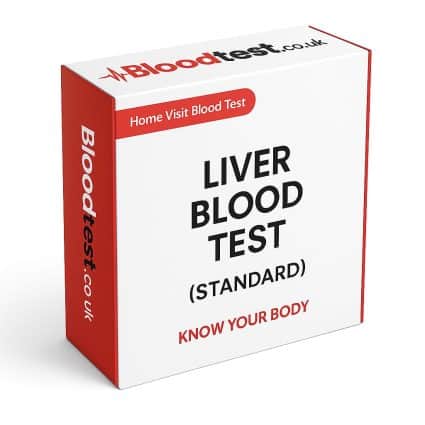

Numerous clinics are spread throughout the town, each offering a variety of services tailored to meet individual patient needs. Patients are encouraged to review the specific offerings of each clinic, as some may specialise in liver function tests. By exploring local options, individuals can choose a clinic that best suits their specific health requirements and preferences.
Fast result turnaround times are a crucial consideration for many patients. By familiarising themselves with the local healthcare landscape, individuals can make informed decisions about where to conduct their liver blood tests, ensuring timely and accurate evaluations of their liver health.
How Do Clinic Opening Hours Impact Appointment Scheduling?
The opening hours of clinics can significantly influence patients’ ability to book <a href="https://bloodtest.co.uk/liver-blood-tests-in-derby-what-you-need-to-know/">liver blood tests</a>. Several clinics provide flexible hours, including early morning and late evening appointments, accommodating those with busy schedules. Being aware of these hours allows patients to organise their visits more effectively, minimising delays.
Some clinics may designate specific days for liver function tests, which can affect availability. Understanding these schedules can enhance the booking experience, ensuring patients receive necessary tests promptly. This is particularly important for individuals needing regular monitoring of their liver health.
During peak times, such as flu seasons or health awareness initiatives, clinics may encounter increased demand. Patients should factor this into their scheduling decisions, as flexibility can lead to quicker access to essential health assessments.
What Comprehensive Packages Are Available for Liver Function Testing?
Clinics in Kidderminster generally offer comprehensive liver function test packages. These often include evaluations of liver enzymes such as ALT, AST, and ALP, alongside bilirubin and albumin levels. This thorough approach ensures an accurate assessment of liver health.
To standard tests, some clinics may offer specialised panels tailored to individual patient needs. These can include tests for hepatitis viruses or autoimmune liver conditions, providing a more detailed overview of liver function and potential health issues. Patients should inquire about the specific tests included in each package to ensure they receive the most pertinent assessments.
Understanding the components of each package empowers patients to make informed choices regarding their health. With a clear grasp of the available tests, individuals can participate more actively in discussions with healthcare professionals about their liver health.
What Are the Home Testing Options for Liver Function?
Residents of Kidderminster can conveniently order postal liver function test kits from accredited suppliers. These kits enable individuals to collect samples from the comfort of their homes, enhancing accessibility to health monitoring. This option is particularly useful for those who may struggle to visit clinics due to mobility issues or busy schedules.
After collecting the sample, it is sent to a laboratory for analysis. Results are typically communicated electronically, ensuring patients receive timely updates on their liver health. This method not only increases convenience but also encourages more individuals to engage in regular health monitoring.
Home testing can alleviate pressure on local healthcare facilities, streamlining the overall testing process. As more individuals opt for these kits, clinics can concentrate on providing care and support to patients requiring in-person consultations or more complex evaluations.
How Do Regional Healthcare Policies Affect Test Availability?
National Health Service regulations profoundly impact the availability of liver function tests in Kidderminster. These policies establish eligibility criteria and referral procedures, influencing how quickly patients can access necessary diagnostic tests. Understanding these guidelines is vital for effectively navigating the healthcare system.
The efficiency of referral processes can vary, affecting the speed with which individuals can access liver function tests. Patients should familiarise themselves with the steps involved in obtaining a referral, as this knowledge empowers them to advocate for their health needs. Staying informed about local policies can improve communication with healthcare professionals.
Regional healthcare policies often aim to enhance access to essential services. Initiatives focused on liver health may lead to increased awareness and resources, ultimately benefiting the residents of Kidderminster. Keeping up-to-date with these developments empowers patients to take control of their health.
Insights from Professionals on Liver Blood Tests in Kidderminster
What Are the Real-World Outcomes of Liver Blood Tests?
Healthcare professionals in the area frequently observe significant patient outcomes associated with liver blood tests. For example, early detection of liver conditions through routine testing has enabled timely interventions for many individuals. Early diagnosis can greatly enhance the management of conditions such as fatty liver disease or hepatitis, ultimately improving long-term health prospects.
A notable case involved a patient whose routine liver function tests indicated elevated liver enzymes. This discovery prompted further investigation, leading to an early diagnosis of a chronic liver condition. The patient commenced treatment promptly, exemplifying the value of proactive health monitoring.
Such examples underscore the essential role of liver blood tests in identifying potential health risks at an early stage. By sharing these real-world outcomes, healthcare providers can encourage more residents in Kidderminster to prioritise their liver health through regular testing and monitoring.
What Are the Key Preparation Steps for Accurate Test Results?
To ensure accurate readings during a liver blood test, patients should follow specific preparation guidelines. Fasting for at least eight hours before the test is typically recommended, as this helps eliminate variables that could distort results. This preparation step is crucial for obtaining a clear assessment of liver function.
Patients should discuss any current medications with their healthcare provider. Certain medications can influence liver enzyme levels, potentially leading to misleading results. By disclosing all medications, including over-the-counter drugs and supplements, individuals can help ensure that their test results are interpreted accurately.
Staying hydrated is important before the test. Drinking water can facilitate sample collection, making the process smoother for both the patient and the healthcare provider. Adhering to these preparation steps can significantly enhance the reliability of liver blood test outcomes.
What Key Preparation Tips Should I Follow for Accurate Outcomes?
- Fast for at least eight hours before the test.
- Review and disclose all medications to your healthcare provider.
- Stay well-hydrated prior to the test.
- Avoid alcohol consumption for 24 hours before the test.
- Inform your doctor of any recent illnesses or changes in health.
What Factors Influence Liver Function Test Results?
How Do Diet and Lifestyle Choices Impact Test Outcomes?
Diet and lifestyle choices significantly affect liver function test results. High alcohol consumption, for instance, can cause elevated liver enzymes, indicating possible liver damage. Similarly, a diet rich in fats and sugars may contribute to fatty liver disease, skewing test outcomes.
Patients should recognise that their daily habits can influence enzyme levels, necessitating careful interpretation by healthcare professionals. Implementing lifestyle changes, such as adopting a healthier diet or reducing alcohol intake, can improve liver health and lead to more accurate test results over time.
Healthcare providers must consider these factors when analysing test results. By understanding a patient’s lifestyle and dietary habits, doctors can offer personalised recommendations to enhance liver health and achieve more reliable test results.
What Are the Medication Interactions with Test Results?
Certain medications can interfere with liver function test results, making it crucial for patients to provide a comprehensive list of all medications they are taking. For example, some antibiotics and anti-inflammatory medications may elevate liver enzyme levels, potentially leading to misinterpretations of liver health.
Healthcare providers often depend on this information to assess the accuracy of test outcomes. If a patient is taking medications that could impact liver function, doctors may suggest retesting after a period without those medications to obtain clearer results.
Understanding the relationship between medications and liver function tests empowers patients to engage in informed discussions with their healthcare providers. This knowledge ensures that both parties can collaborate effectively to achieve the most accurate assessments of liver health.
How Do Chronic Health Conditions Impact Test Results?
Chronic health conditions can significantly influence liver function test results. For instance, diabetes is known to affect liver enzyme levels, often leading to variations in test outcomes. Patients with such conditions may require tailored follow-up care plans to address their specific health needs.
Healthcare providers must consider these underlying issues when interpreting liver function tests. This holistic approach ensures that patients receive comprehensive care that addresses all aspects of their health, rather than focusing solely on liver function.
Patients should actively inform their healthcare providers about any existing health conditions. This information can lead to more accurate testing and improved management of liver health, ultimately contributing to enhanced overall wellbeing.
What Role Do Age and Gender Play in Test Results?
Age and gender can significantly affect liver function test outcomes. Hormonal changes and metabolic rates vary across demographics, resulting in differences in enzyme levels. For instance, younger individuals may have different reference ranges compared to older adults, necessitating adjustments in result interpretation.
Healthcare providers must be aware of these differences to deliver accurate diagnoses. By applying age and gender-specific reference ranges, doctors can ensure the correct interpretation of test results, leading to appropriate treatment recommendations.
Patients should also recognise that their age and gender may influence their liver health. Engaging in discussions with healthcare providers about these factors can provide valuable insights into their liver function and the importance of regular monitoring.
What Research-Backed Benefits Do Liver Blood Tests Offer in Kidderminster?
How Does Early Detection Enhance Liver Health?
Research consistently indicates that early detection of liver issues through blood tests leads to better management and outcomes. In Kidderminster, healthcare professionals stress the importance of regular testing, as it allows for timely interventions that can prevent the progression of liver disease.
Studies show that individuals who undergo routine liver function tests are more likely to identify potential issues early. This proactive strategy enables healthcare providers to implement essential lifestyle changes or treatments, ultimately resulting in improved health outcomes.
By raising awareness about the advantages of early detection, healthcare providers in Kidderminster can encourage residents to prioritise their liver health. Regular testing serves as a vital tool for identifying potential problems before they escalate, ensuring individuals receive the necessary care swiftly.
What Are the Benefits of Long-Term Health Monitoring?
Regular liver function tests are crucial for long-term health monitoring. For residents of Kidderminster, these assessments provide a means to track changes in liver health over time, facilitating proactive management of potential issues. By establishing a baseline, healthcare providers can detect any deviations that may warrant further investigation.
Long-term monitoring is especially beneficial for individuals with risk factors, such as a family history of liver disease or chronic health conditions. By staying vigilant, patients can collaborate closely with their healthcare providers to develop personalised care plans that promote liver health and overall wellbeing.
Consistent assessments can help avert serious complications associated with liver diseases. By identifying issues early and implementing necessary interventions, healthcare providers can assist patients in maintaining optimal liver function and quality of life.
How Reliable Are Modern Testing Methods?
Contemporary testing methods for liver function have improved significantly in terms of reliability and accuracy. In Kidderminster, local clinics employ advanced techniques that enhance diagnostic capabilities, ensuring that healthcare providers receive precise information regarding liver health. These advancements support informed medical decisions and effective treatment strategies.
Technological innovations, such as automated analysers and refined laboratory protocols, have enhanced the accuracy of liver function tests. This progress enables more confident interpretations of results, ultimately benefiting patient care and management.
Patients can take comfort in knowing that the testing methods used in local clinics are designed to deliver high-quality outcomes. This reliability fosters trust in the healthcare system, encouraging individuals to prioritise their liver health through regular assessments.
How to Efficiently Book a Liver Blood Test Appointment
Utilising Convenient Online Booking Systems
Many clinics in Kidderminster now offer online booking systems, simplifying the process for patients to schedule liver blood tests. These digital platforms enable individuals to choose their preferred appointment times and receive immediate confirmation, reducing wait times for essential evaluations.
Utilising online booking systems streamlines the appointment process and provides patients with the flexibility to select times that best suit their schedules. This convenience is particularly advantageous for those with busy lives or commitments that may hinder their ability to visit clinics during regular hours.
Patients should ensure they have reliable internet access when using these systems. By booking online, individuals can prioritise their liver health without the hassle of lengthy phone calls or in-person visits to arrange appointments.
How to Obtain a GP Referral for Testing
Obtaining a referral through a general practitioner (GP) remains a straightforward method to access liver blood tests in Kidderminster. Patients should schedule an appointment with their GP to discuss their health concerns and the need for testing. The GP will evaluate the situation and provide a referral if deemed appropriate.
This process is covered under standard healthcare provisions, ensuring that patients can access the care they require without incurring excessive financial burdens. GPs play a crucial role in guiding patients through the testing journey, offering valuable insights and recommendations based on individual health needs.
Understanding the referral process can empower patients to take control of their health. By communicating openly with their GP, individuals can ensure they gain timely access to liver function tests, ultimately supporting better health outcomes.
What Documents Should I Prepare for My Appointment?
Gathering the necessary documents before attending a liver blood test appointment can expedite the process. Patients should prepare identification, such as a driver’s licence or NHS card, to confirm their identity at the clinic. This step helps prevent potential delays during check-in.
Compiling a brief medical history can also be beneficial. Patients should note any previous liver issues, relevant health conditions, and current medications. This information assists healthcare providers in understanding the patient’s background and tailoring their approach to testing and care.
Being well-prepared enhances the efficiency of the appointment and encourages a more productive dialogue with healthcare providers. Patients can feel confident knowing they have provided all necessary information for accurate assessments of their liver health.
What Are the Alternatives for Telephone Booking?
For individuals without internet access or those who prefer direct communication, contacting the clinic by phone is an alternative method to schedule liver blood tests. This approach allows patients to speak with clinic staff, who can guide them through available slots and preparation requirements.
Telephone booking can also benefit individuals with specific questions or concerns about the testing process. Direct communication with a representative can help clarify uncertainties and ensure that patients feel comfortable proceeding with their appointments.
Patients should have their personal information readily available when calling to facilitate the booking process. By utilising telephone booking options, individuals can secure their appointments while receiving the assistance they need to navigate the testing process confidently.
What Post-Test Care Should You Consider After Your Blood Test Procedure?
How to Manage Recovery and Side Effects
After a liver blood test, patients may experience minor side effects, such as bruising at the blood draw site. This is generally a normal occurrence and can be effectively managed with appropriate aftercare. Resting and avoiding strenuous activities for the rest of the day can promote a swift recovery.
Staying hydrated is also essential following the procedure. Drinking ample fluids can help replenish the body and support overall wellbeing. Patients should listen to their bodies and allow themselves the necessary time to recover before resuming regular activities.
If any unusual symptoms arise, such as excessive bleeding or severe discomfort, patients should promptly contact their healthcare provider. Timely communication can ensure that any potential complications are addressed quickly, providing peace of mind during the recovery phase.
What Follow-Up Actions Should You Consider?
- Rest for the remainder of the day after the test.
- Stay hydrated by drinking plenty of water.
- Monitor the blood draw site for any unusual symptoms.
- Contact your healthcare provider if you experience excessive bleeding or severe pain.
How to Seek Support for Interpreting Test Results
After receiving liver blood test results, healthcare teams provide clear explanations to help patients understand their findings. This support is vital, as many individuals may feel anxious or confused about their results. Open communication with healthcare providers ensures that patients are well-informed about their liver health.
Healthcare professionals often take the time to discuss the implications of test results and outline any necessary next steps. This may include further testing, lifestyle recommendations, or treatment options based on the findings. Understanding these results empowers patients to take an active role in managing their health.
Patients should feel encouraged to ask questions during these discussions. Engaging with healthcare providers fosters a collaborative approach to health, enabling individuals to make informed decisions about their liver health and overall wellbeing.
What Should You Do If You Need Additional Medical Support?
After a liver blood test, patients should remain vigilant for any warning signs of complications. Symptoms such as persistent bleeding, dizziness, or swelling should prompt immediate contact with their GP or clinic for further assessment. This proactive approach ensures that any potential issues are addressed promptly.
Monitoring for these symptoms is an essential part of the recovery process. Patients should feel empowered to advocate for their health and seek additional medical support if necessary. Open communication with healthcare providers can lead to timely interventions and better health outcomes.
By staying informed and engaged, patients can navigate their post-test experience with confidence. Seeking additional support when needed contributes to a comprehensive approach to liver health, ensuring that individuals receive the care they require for optimal wellbeing.
What Are the Frequently Asked Questions About Liver Blood Tests?
What Is the Purpose of a Liver Blood Test?
A liver blood test evaluates various enzymes and substances in the blood to assess liver function and identify potential liver diseases.
How Often Should I Get a Liver Blood Test?
The frequency of liver blood tests depends on individual risk factors and health conditions. Generally, those at higher risk may require more frequent testing.
Can I Eat Before Taking a Liver Blood Test?
It is typically advised to fast for at least eight hours prior to the test to ensure accurate results.
What Should I Do If My Test Results Are Abnormal?
If your test results are abnormal, consult your healthcare provider for further evaluation and potential follow-up tests or treatments.
Are Liver Blood Tests Painful?
Most patients experience minimal discomfort during a liver blood test, similar to a standard blood draw.
How Long Will It Take to Receive Results?
Results for liver blood tests are usually available within a few days, depending on the clinic and laboratory processes.
Can I Access a Liver Blood Test Without a Referral?
In some cases, you may be able to obtain liver blood tests directly through private clinics without a referral.
What Factors Can Influence My Test Results?
Diet, medications, underlying health conditions, and lifestyle choices can all affect liver blood test results.
Is Home Testing for Liver Function Reliable?
Home testing can be reliable when conducted with approved kits, but a healthcare provider should always confirm results.
What Lifestyle Changes Can Improve Liver Health?
Maintaining a balanced diet, exercising regularly, limiting alcohol intake, and avoiding toxins can significantly enhance liver health.
Explore our Facebook profile today!
This Article Was First Published On https://bloodtest.co.uk
The Article Liver Blood Test Details at Kidderminster Local Clinic found first on https://electroquench.com